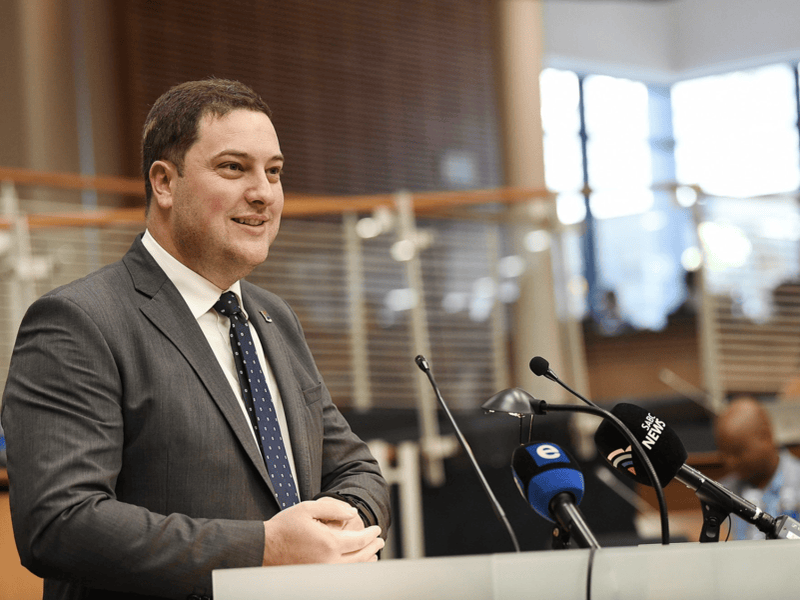
DA leader Geordin Hill-Lewis recently called upon young South Africans to maintain hope, engage in democratic processes, and spearhead change, despite acknowledging the significant challenges they face. Hill-Lewis identified the unemployment crisis as the "biggest challenge," followed closely by crime, stating that these two issues "have to change if we are going to have a successful country and a successful society for young people going forward." The high rates of youth unemployment, which disproportionately affect young people entering the job market, are a pressing concern that impacts their economic independence and future prospects. Similarly, the widespread issue of crime not only threatens personal safety but also deters investment and hinders community development, further exacerbating the difficulties faced by the younger generation.
He expressed sadness over young people losing hope due to government failures, but asserted that "it can work" and cited examples in KZN and uMngeni where ethics are being restored and "basics right." Hill-Lewis's message emphasized that despite the current difficulties, there are tangible instances where good governance is making a difference, offering a blueprint for broader positive change. He urged youth to participate, emphasizing that "this country is too special a place to just say, 'Well, we're going to go live somewhere else.'" He concluded by encouraging young people to "stand up for something positive," advocating for active citizenship rather than disengagement or emigration.
Hill-Lewis's Call to Action
Geordin Hill-Lewis stated that his message was directed towards young South Africans, specifically encouraging them to stay hopeful, participate in democracy and drive change. This appeal comes as official data indicates a significant disconnect between political parties and the youth. A 2025/2026 IEC Voter Participation survey, conducted by the Human Sciences Research Council, found that 76% of young people aged between 16 and 24 agreed that political parties pay insufficient attention to their concerns and needs. This overwhelming sentiment shows the importance of leaders like Hill-Lewis directly addressing the youth and acknowledging their feelings of neglect. The survey's findings highlight a critical challenge for democratic engagement, as a large segment of the future electorate feels their voices are not being heard by the political establishment. Hill-Lewis's call for active participation seeks to bridge this gap, urging young people to become agents of the change they wish to see. Meanwhile, President Cyril Ramaphosa is leading national celebrations in Johannesburg, marking Youth Day with official commemorations.
Acknowledging Youth Discontent
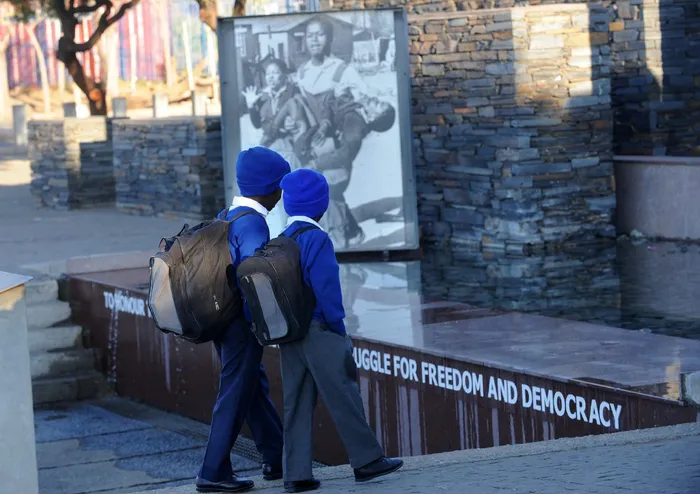
The current youth challenges in South Africa emerge five decades after the Soweto uprising of 1976, a key moment in the nation's history when young people protested against the apartheid regime. It has been 50 years since the Soweto uprising of 1976, making this anniversary a poignant reminder of the enduring struggles faced by successive generations of South African youth. The anniversary notes a continued struggle for future generations, albeit under different circumstances. The 1976 events saw students take to the streets, demanding educational equality and an end to discriminatory policies, demonstrating the power of youth activism. Today, the focus has shifted to issues such as unemployment and crime, which Geordin Hill-Lewis identified as major obstacles for young South Africans. These contemporary issues, while different from those of 1976, similarly threaten the prospects and well-being of the nation's youth. The historical context of youth activism in the country remains relevant as leaders address contemporary concerns, reminding all stakeholders of the critical role young people have played, and continue to play, in shaping South Africa's destiny.
The Path Forward
Youth Day is being commemorated under the theme 'Reset @50 - Our National Commitment to the Future for Freedom Lives in Every Generation.’ This theme encapsulates the dual recognition of past sacrifices and the ongoing responsibility to secure a better future for young people. Earlier in Soweto, the Reserve Bank unveiled a R2 coin in honour of the youth of 1976, a symbolic gesture acknowledging their indelible contribution to the nation's liberation.