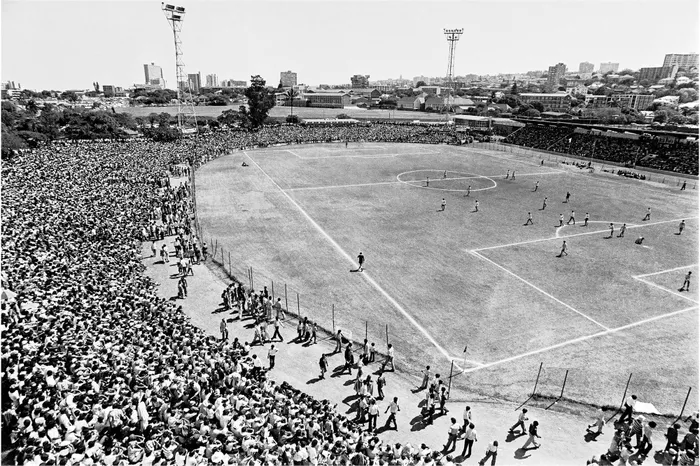
Curries Fountain Stadium in Durban has been formally recognized as a Provincial Heritage Site, acknowledging its significant role in the sporting, social, and anti-apartheid history of KwaZulu-Natal, South Africa. The declaration represents a key step in recognizing and safeguarding a location imbued with historical, cultural, and social importance. This formal recognition ensures the heritage significance of Curries Fountain Stadium is protected for future generations, securing its place in the province's historical narrative. The declaration of the site represents an important step in recognising and protecting a place that holds historical, cultural and social significance, ensuring that the heritage significance of Curries Fountain Stadium is formally recognised and protected for future generations.
Historical Significance Unveiled
Historical records indicate the grounds were named after Durban’s first reliable water source, which H.W. Currie established on the site in 1878. This original water infrastructure served as a foundational element for the developing city, providing essential resources to its burgeoning population. The establishment of this water source notes the site's early utility and its integral role in the foundational development of Durban. The area later transitioned from its initial utility to become a designated public space, evolving with the city's needs and growth. The site officially became a sports ground in 1924, marking a significant shift in its purpose and use within the Durban community. This designation facilitated its development into a key venue for various sporting and community activities over the subsequent decades, laying the groundwork for its later historical importance as a hub for both athletic pursuits and social engagement. The transformation from a vital water source to a public sports ground shows the dynamic history of the site.
Recognition and Protection
Curries Fountain Stadium has been formally declared a Provincial Heritage Site in terms of the KwaZulu-Natal Amafa and Research Institute Act. This designation confers official recognition and protection upon the historic venue, acknowledging its profound significance within the province's heritage landscape. The stadium's status as a Provincial Heritage Site ensures that its historical, cultural, and social value will be preserved and managed according to provincial heritage legislation. This legal framework provides safeguards against unauthorized alterations or developments, aiming to maintain the integrity of the site for future generations. The declaration under this specific Act shows the provincial government's commitment to preserving sites of significant cultural and historical value. This formal recognition provides a strong legal basis for its protection, ensuring that its legacy is not only remembered but actively conserved. The recognition notes the stadium's enduring importance as a symbol of community gathering and historical events in KwaZulu-Natal, cementing its place as a protected cultural asset.
A Living Archive
Curries Fountain Stadium developed into a key venue for multiple sport codes, social gatherings, recreational activities, and labour movement events. It became an important venue for multiple sport codes, social, recreational and labour movement activities, fostering a vibrant community spirit and serving as a central meeting point for diverse groups. The stadium also played a vital role in the struggle for non-racial sport, serving as a focal point for activism against segregation in athletics and promoting inclusivity long before the end of apartheid. Beyond its sporting and social functions, the site became a significant center for resistance to the apartheid regime, hosting political rallies and meetings that galvanized the anti-apartheid movement. The site also served as a centre for resistance to apartheid and now stands as a symbol of reflection that mirrors the province’s rich intangible heritage. Curries Fountain Stadium now stands as a symbol of reflection, mirroring KwaZulu-Natal province’s rich intangible heritage, embodying the spirit of resilience, community, and the fight for justice. Its multifaceted history makes it a unique and invaluable historical asset.