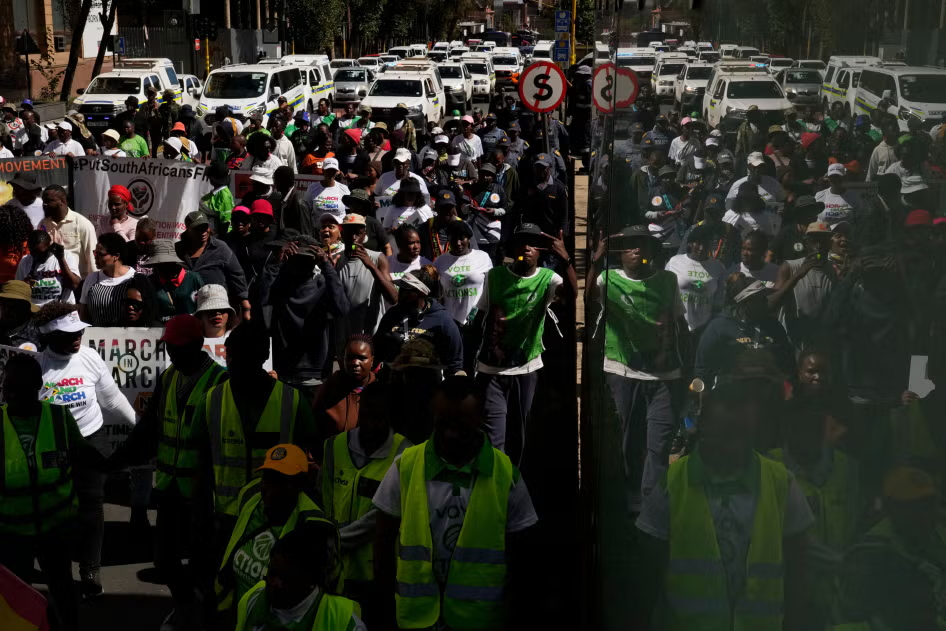
The Constitutional Court (Concourt) on Friday ruled that the National Assembly's decision to vote against the adoption of the Section 89 panel report concerning the Phala Phala matter was inconsistent with the Constitution. This significant judicial intervention reinforces the fundamental principles of accountability and constitutional governance. The court’s judgment, published on 20 May 2026, found the legislative body’s actions to be non-compliant with constitutional principles, thereby setting a clear standard for parliamentary conduct. The ruling addresses the procedure followed by the National Assembly regarding the report, ensuring that due process is followed even in politically sensitive cases. This decision notes the judiciary's critical role in reviewing legislative actions to ensure their alignment with the supreme law of the land.
Judiciary's Scrutiny Power
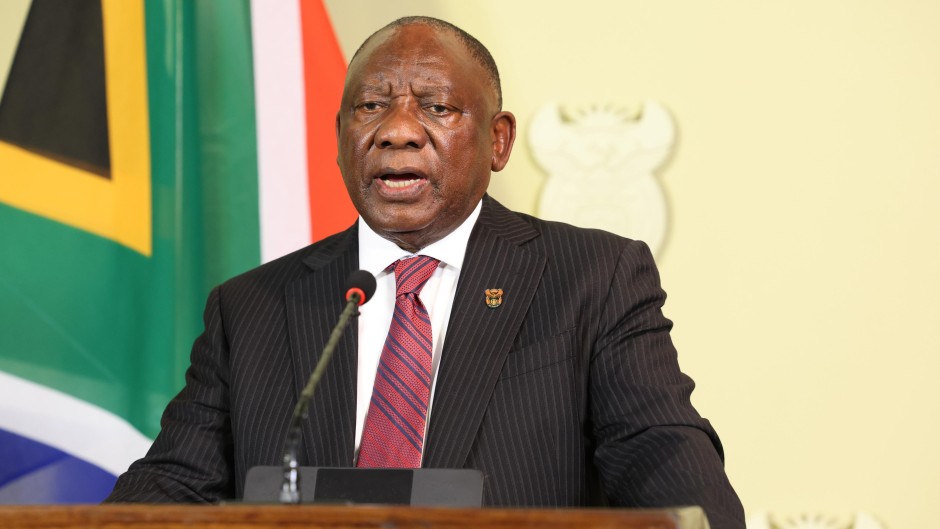
The Constitutional Court's decision compels President Cyril Ramaphosa to face an Impeachment Committee regarding an alleged cover-up following a 2020 burglary at his Phala Phala farm. This directive from the highest court in the land shows the non-negotiable nature of accountability for all public office bearers. The ruling establishes a legal obligation for the President to engage with the parliamentary process concerning the allegations, emphasizing that no one, regardless of their position, is above the law. This development shows the judiciary's role in ensuring accountability within the executive branch and preventing potential abuses of power. The impeachment committee will now proceed with its investigation into the circumstances surrounding the farm incident, a process that is constitutionally mandated to ensure thorough scrutiny. The court's firm stance reinforces the separation of powers and the judiciary's independence in upholding constitutional mandates.
Implications for Accountability
The Constitutional Court's majority judgment emphasized the principle that no institution or individual is beyond the scrutiny of the law. This powerful assertion establishes a significant precedent for accountability within South Africa's political landscape, particularly for high-ranking officials. By compelling President Cyril Ramaphosa to face an Impeachment Committee, the judiciary has reinforced the constitutional framework designed to hold executive power in check. This decision signals the court's commitment to upholding the rule of law and ensuring that parliamentary processes, even those involving the head of state, adhere to constitutional mandates. The ruling sends an unequivocal message that constitutional compliance is critical, and procedural irregularities will not be tolerated.
The ruling effectively moves the Phala Phala matter from a legislative vote that dismissed the Section 89 panel report to a renewed parliamentary investigation. This development ensures that allegations of misconduct against the President will undergo a formal and constitutionally compliant inquiry, thereby restoring faith in the integrity of governmental processes. The Constitutional Court's intervention shows the judiciary's role in safeguarding democratic principles and preventing the circumvention of accountability mechanisms. It reaffirms the idea that all public office bearers are subject to legal scrutiny, irrespective of their position, fostering a culture of transparency and responsibility. The pending impeachment committee proceedings will now examine the allegations surrounding the 2020 burglary at Ramaphosa's Phala Phala farm, reflecting the judiciary's insistence on due process and transparency as cornerstones of a functioning democracy. This rigorous approach ensures that justice is not only done but is also seen to be done.
Democratic Resilience Affirmed
The Constitutional Court's decision to compel President Cyril Ramaphosa to face an Impeachment Committee demonstrates the strength and resilience of South Africa's democratic institutions. This action reinforces the principle that constitutional processes apply to all, including the head of state, thereby upholding the rule of law without exception. The ruling signifies a vital check on executive power, ensuring that allegations of misconduct are thoroughly investigated through established parliamentary channels rather than being dismissed prematurely. This judicial intervention helps maintain public trust in governance and accountability mechanisms within the nation, proving that the system is capable of self-correction and upholding its foundational values. The court's judgment notes the ongoing commitment to constitutionalism and democratic oversight in South Africa, showcasing a strong system designed to protect its citizens from potential abuses of power and ensuring that the democratic project remains vibrant and accountable.