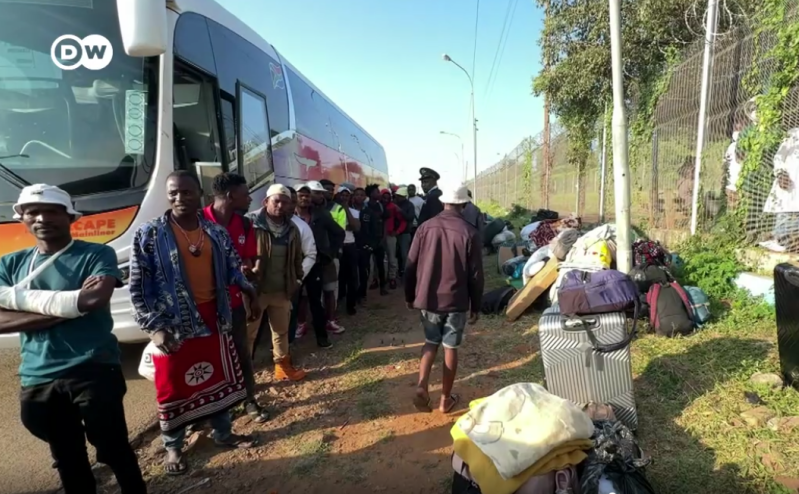
Several African nations, including Mozambique, Nigeria, Ghana, and Malawi, have repatriated their citizens from South Africa following attacks by vigilante and anti-immigrant groups. These repatriations occurred amidst a broader trend where migrants are increasingly being blamed for systemic issues. This blame is often directed at migrants for problems that originate from other sources, such as corruption within governance structures, failures in service delivery to communities, and rising economic inequality. The situation notes growing tensions and the challenges faced by migrant communities in the region, prompting international concern and calls for action. The pattern of blaming migrants for deep-seated societal problems, rather than addressing the root causes, has become a significant concern for regional stability and human rights. This misdirection of blame frequently diverts attention from the critical need for improved governance and equitable resource distribution.
Migrants Face Intimidation and Violence
An anti-immigrant protest held in East London in March initiated further protests and violence targeting African immigrants in other South African cities. This unrest led several countries to offer assistance to their citizens who sought to depart from the country. The initial protest served as a catalyst, sparking a wave of similar incidents across various urban centers, exacerbating an already tense environment. Following these events, refugee-led organizations visited affected communities, including Durban, where migrants conveyed experiences of intimidation and restrictions placed on their businesses. These accounts detailed instances of threats, property damage, and arbitrary demands to cease operations, severely impacting their livelihoods and sense of security.
Ghana has since facilitated the return of hundreds of its citizens, citing increasing concerns regarding the safety of migrants in South Africa. The Ghanaian government's swift action shows the severity of the perceived threat to its nationals, prioritizing their safety over their continued residence in South Africa. The number of foreigners residing in South Africa is estimated to be between 2.4 million and 3.1 million people. These individuals often face challenges related to social integration and economic participation, even under normal circumstances. The recent incidents of violence have exacerbated fears among migrant communities, prompting urgent calls for greater protection and government intervention. The situation shows the precarious conditions many migrants encounter, particularly when faced with organized anti-immigrant sentiment and a climate of hostility. Efforts to support those affected by the unrest continue as regional governments assess the safety of their nationals and consider further repatriation measures.
Deeper Governance and Economic Roots
A webinar convened by the Association of Evangelicals in Africa (AEA) on June 10 brought together participants to discuss rising tensions and their effects on communities throughout South Africa. The discussion noted how these issues extend beyond immediate xenophobic sentiments, pointing instead to systemic challenges within governance. Nigeria has since organized voluntary repatriation flights to assist its nationals affected by the recent unrest. This move follows a pattern of other African countries facilitating the return of their citizens amidst concerns for safety and stability in South Africa, indicating a regional acknowledgment of the recurring nature of these challenges.
The discussions at the AEA webinar showed a broader recognition of governance failures as a significant contributing factor to the current crisis. For instance, Johannesburg, a major economic hub and a frequent site of migrant-related tensions, has a documented history of qualified audits, consistent mismanagement of public funds, and a substantial amount of unaccounted for financial resources. These issues reflect systemic weaknesses in administration and oversight within key municipalities, directly impacting the quality and availability of public services. Such governance shortcomings are seen as exacerbating local frustrations, which can then be misdirected towards migrant communities, who are often perceived as competitors for scarce resources. The problems include inadequate service delivery, a lack of accountability, and a palpable sense of neglect among citizens, creating an environment where economic pressures and social discontent can readily emerge and be exploited. The ongoing challenges related to financial transparency and effective administration in areas like Johannesburg contribute significantly to an overall climate of instability and resentment. This systemic breakdown in governance creates fertile ground for animosity, diverting attention from the failures of public institutions and instead focusing it on vulnerable migrant populations.
Calls for Dialogue and Support
President Cyril Ramaphosa has condemned xenophobic violence and issued a warning against vigilante actions targeting migrants. His statements show the government's official stance against the attacks that have prompted several African nations to repatriate their citizens. President Ramaphosa emphasized the importance of upholding the rule of law and protecting the rights of all individuals residing in South Africa, regardless of their origin. These condemnations are key in sending a clear message that such acts of violence are unacceptable and contrary to the principles of a democratic society.
In KwaZulu-Natal, churches have established emergency support mechanisms to aid displaced migrants. These efforts include collecting essential items such as food, blankets, and clothing to provide immediate relief to those who have been forced from their homes or lost their possessions. Additionally, the churches are organizing trauma-healing sessions, offering vital psychosocial support to individuals affected by the recent unrest and displacement. These initiatives provide a critical safety net and a sense of community for those grappling with the emotional and psychological toll of violence and uncertainty.
An initiative is also planned in Durban, aiming to foster dialogue between South Africans and migrants. This upcoming event intends to create a forum for participants to discuss grievances and work towards reducing tensions within the communities. The goal is to facilitate understanding and promote peaceful coexistence by providing a structured environment for open communication and mutual respect. Such dialogues are seen as essential steps in breaking down stereotypes and building bridges between communities, addressing underlying issues through constructive engagement rather than conflict. The hope is that by creating spaces for honest conversation, the root causes of friction can be identified and collaboratively addressed, paving the way for a more inclusive and harmonious society.