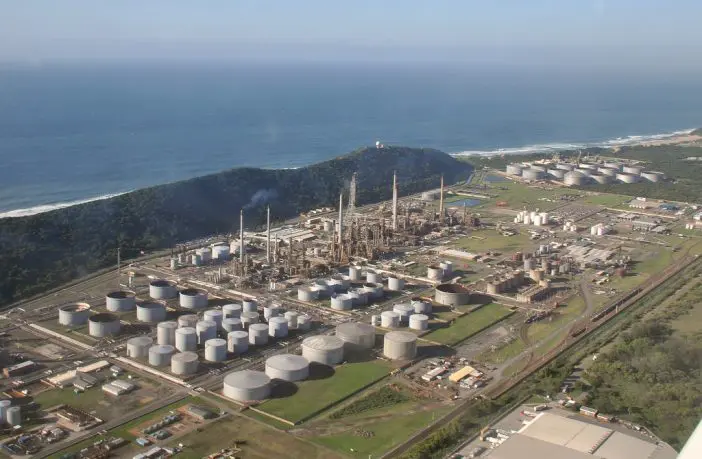
The Central Energy Fund (CEF) has outlined a full and phased strategy to revitalize South Africa's refining capacity, specifically focusing on the former SANPC refinery in Durban South. This ambitious plan targets a phased rebuild of the facility, aiming to significantly enhance the nation's energy independence. The CEF's roadmap is structured around three broad phases, beginning with immediate measures and progressing towards a substantial increase in domestic fuel production.
In phase one, the CEF will utilize existing tanks and transfer infrastructure to support imports of finished products, ensuring immediate operational utility and revenue generation. This initial phase leverages the current assets to maintain supply stability. Phase two will then concentrate on rebuilding refining capacity at the SANPC site, aiming for a throughput of approximately 400,000 barrels per day. This stage marks a critical step towards restoring local processing capabilities. The final stage, phase three, targets an expanded refining throughput of 400,000 to 650,000 barrels per day, pushing towards full-scale operation and maximum output. The overarching goal of this roadmap is to lift domestic refining from its current level of about 39% of supply back toward self-sufficiency, reducing reliance on international markets.
Economic Revival and Job Creation
The Central Energy Fund (CEF) estimates that restoring a refinery at the scale of the former SANPC facility could support an additional 16,220 jobs and contribute R16 billion to South Africa's Gross Domestic Product. A full-scale refinery operation, as envisioned in the later phases of the plan, could add approximately 16,220 jobs and R16 billion to the GDP, providing a significant boost to the national economy. The refining sector has experienced a notable decline in employment in recent years, with refinery-supported jobs falling from about 64,171 in 2019 to an estimated 32,000 in 2026. This downward trend shows the urgency and potential impact of the CEF's revitalization efforts.
A new full-scale refinery, as envisioned by the CEF, could potentially lift total employment in the sector to around 48,220 jobs, marking a substantial recovery and growth in job creation. The economic benefits extend beyond direct employment, encompassing a broader impact on local economies through supply chains and ancillary services. Recent interventions, part of the initial stages of the revitalization plan, have already helped to retain approximately 80 direct jobs and 93 indirect jobs, in addition to creating around 20 new positions. These early successes demonstrate the immediate positive effect of the CEF's strategic initiatives on employment. The projected R16 billion contribution to the GDP notes the significant economic multiplier effect that a fully operational, large-scale refinery can have on South Africa's overall economic performance and stability.
Strategic Phased Redevelopment
Near-term activities within the Central Energy Fund's (CEF) revitalization plan are designed to generate revenue and safeguard national assets, laying the groundwork for future expansion. The CEF is actively working to unlock value from existing infrastructure at the Durban South site, ensuring that assets are utilized efficiently even before full refining operations resume. This includes leasing storage capacity to external parties, reinstating Liquefied Petroleum Gas (LPG) infrastructure to meet domestic demand, and operating blending operations to produce various fuel products. The CEF is also commercializing laboratory services, offering specialized testing and analysis, and running a controlled trading programme to maximize the utility and profitability of the assets. These initiatives contribute to the financial viability of the project while protecting critical national energy infrastructure.
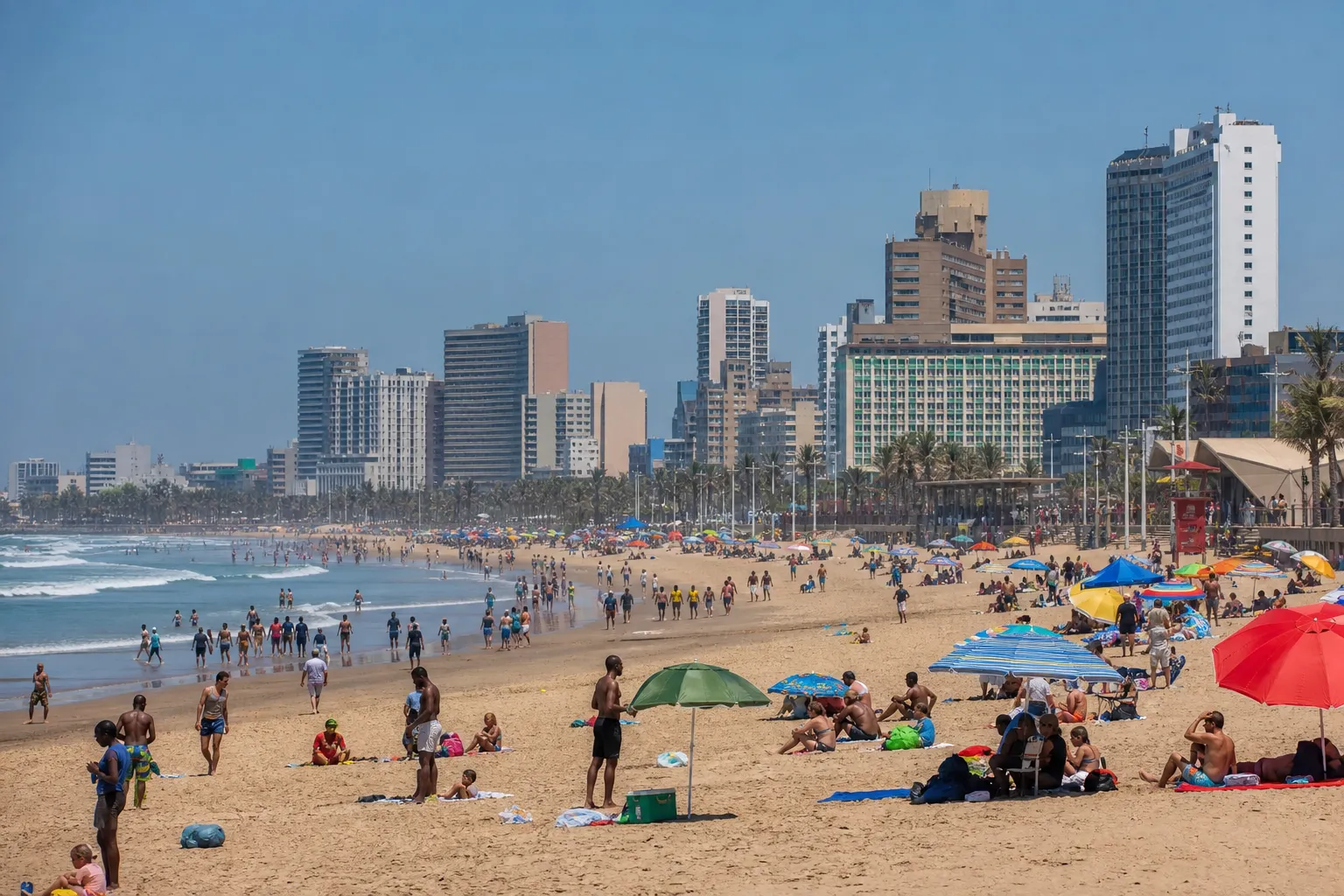
Since December 2024, the CEF has implemented several community and economic development initiatives within the Durban South Basin, demonstrating its commitment to local upliftment alongside industrial development. These programmes include providing bursaries and sponsorships to support education and skills development, fostering enterprise development to stimulate local businesses, and engaging in broader corporate social investment activities. The programmes also encompass Saturday Mathematics and Science initiatives, aimed at improving foundational education in critical subjects, creating opportunities for Small, Medium, and Micro Enterprises (SMME) to participate in the value chain, establishing entrepreneurship programmes to nurture local talent, and undertaking broader community outreach efforts to ensure inclusive growth. These efforts are integral to building strong relationships with local communities and ensuring the project's long-term sustainability.
The CEF confirmed it will maintain ongoing engagements with various stakeholders throughout the entire redevelopment process. These key engagements include communities directly impacted by the refinery, various government bodies at local, provincial, and national levels, organised labour representatives, business entities involved in the energy sector and local economy, and civil society groups. This commitment to continuous dialogue ensures broad participation, transparency, and addresses potential concerns, fostering a collaborative environment essential for the successful execution of the revitalization plan.
Context and Future Outlook
The Central Energy Fund (CEF) aims to significantly increase domestic refining output from its current level of approximately 39% of supply, moving towards a key goal of self-sufficiency for South Africa. This strategic pivot is driven by a stark shift in the country's energy landscape. In 2019, domestic refineries were responsible for supplying about 78% of the country's fuel demand, with the remaining 22% covered by imports. This demonstrated a strong local refining capability that met the vast majority of national needs.
However, the landscape has since shifted considerably, with domestic refining capacity now meeting only around 39% of the supply requirements. This decline has resulted in imports making up approximately 61% of the finished product supply, noting a significant and growing dependence on external sources for essential energy. The CEF's phased plan seeks to reverse this trend by revitalizing the former SANPC refinery in Durban South. The objective is to reduce the reliance on imported finished products and bolster the nation's energy security through enhanced local production. This strategic pivot is intended to restore a more balanced ratio between domestic refining output and imported fuel, mirroring the supply dynamics observed in 2019 or even surpassing them to achieve greater self-reliance. The initiative directly addresses the current deficit in local refining capabilities and the consequent dependence on international markets for a significant portion of South Africa's fuel needs, reinforcing the nation's energy resilience and economic stability.