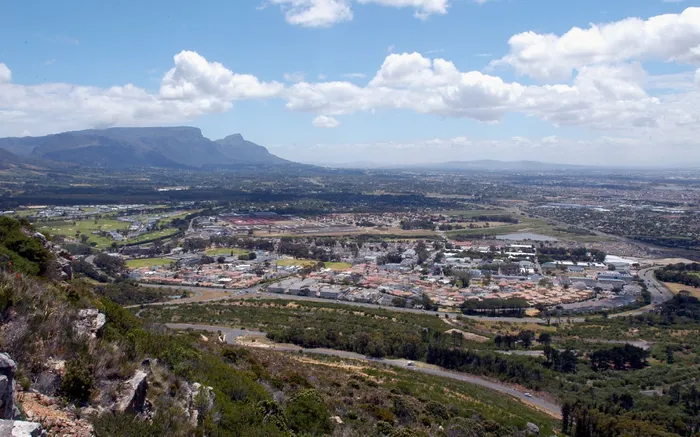
Cape Town's property market is experiencing an affordability crisis, with the average property price in the Western Cape reaching R3,357,917 in the first quarter of 2026. This significant escalation is pricing out middle-class households, particularly those seeking standard family homes within the region. The financial demands for homeownership have become increasingly challenging for many local residents. To qualify for a bond on a R2.5 million property, such as a three-bedroom house in Bellville, Durbanville, or the Winelands corridor – areas often sought after by families – a household must demonstrate a net income of approximately R55,000 to R60,000 per month. This substantial financial threshold notes the significant barrier to homeownership for many local residents in the region, making it difficult for them to secure a foothold in the market.
The Widening Price Gap
The national average property price stood at R1,951,230, a figure significantly lower than Cape Town's average. This disparity shows the intensifying property value gap across South Africa, revealing a stark contrast between regional markets. In fact, the Western Cape's average property price was 72% above the national average, illustrating the exceptional premium placed on properties in the province. While the Western Cape grapples with these high prices, Gauteng has become a dominant force in the national property market, now accounting for 50.8% of all property transfers across the country. This concentration of activity in Gauteng contrasts sharply with the Western Cape's unique price dynamics, which continue to push local residents out of the market and exacerbate affordability issues.
Planning's Role in Affordability
The Constitutional Court's ruling on the Tafelberg site in Sea Point extended beyond the specifics of a single property, initiating a broader conversation about the principles of urban development and social inclusion. This landmark decision showed that town planning involves more than simply regulating land use or determining where development should take place. Instead, it is fundamentally about establishing communities that are inclusive, sustainable, economically vibrant, and resilient for future generations. Every planning decision made by local authorities and developers profoundly influences how people live, work, travel, and interact with their surroundings. The primary challenge for urban planners and policymakers lies in delicately balancing growth, environmental sustainability, the provision of adequate infrastructure, and the diverse needs of local communities to foster equitable development. This complex balancing act is key for creating urban environments that serve all residents.
Industry Perspectives on Transformation
The Western Cape's average property price stood 72% above the national average, a disparity prompting extensive discussions about market accessibility and the need for significant transformation within the sector. These challenges were a central focus of a panel discussion held at the South African Institute of Black Property Practitioners (SAIBPP) Annual Convention, which took place at the beginning of this month. The convention specifically addressed the critical issue of transformation within the property sector, aiming to foster a more inclusive and equitable landscape for all participants. According to SAIBPP, true transformation is ultimately about creating an industry where opportunity is not only present but also sustainable for all participants.
The organization emphasized that while participation opens the door for individuals, it is ownership that truly builds resilience, wealth, and long-term inclusion for individuals in the property sector. SAIBPP further stated that the industry's significant challenge over the next decade is to ensure that more South Africans are not only participating in the property sector, but are actively building, owning, and growing within it. This perspective notes the urgent need for systemic changes and policy interventions to address the current market dynamics and foster a more equitable and accessible property landscape for all South Africans, thereby ensuring wider economic empowerment.