Cape Town residents are invited to provide feedback on the city's future transport plans, with the City of Cape Town setting a deadline of September 30 for public comments. This key initiative allows individuals to contribute directly to the development of the metropolitan area's full transportation strategy. The City emphasizes the importance of community input in shaping decisions that will affect how people move within Cape Town, ensuring that the final plan reflects the diverse needs and experiences of its residents. By engaging the public, the City aims to foster a more inclusive and effective approach to urban mobility planning.
Current Transport Landscape
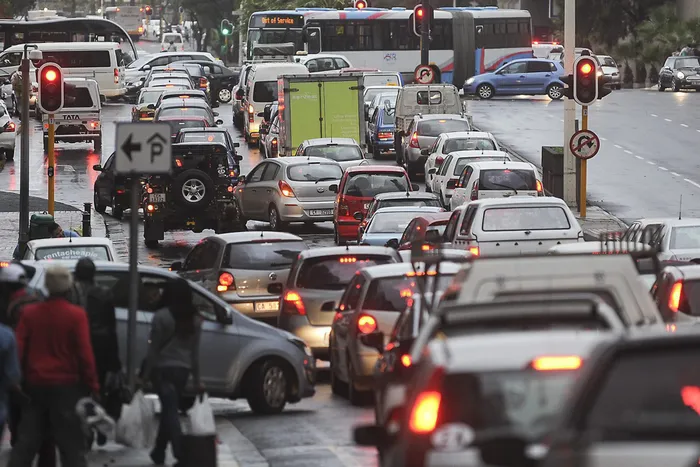
An analysis of the 2024/2025 financial period reveals key insights into Capetonians' daily commuting habits. During this period, 35% of residents utilized public transport for their journeys. In contrast, a significant majority, 55.2%, relied on private vehicles, accounting for a substantial 2,314,000 trips across the city. This data notes the current reliance on private transport and shows the challenge of shifting towards more sustainable and efficient alternatives.
Further breaking down public transport usage, minibus-taxis emerged as a popular option, used by 22.5% of Capetonians, totaling an impressive 945,000 trips. Train services, while foundational to many urban transport systems, served a smaller segment of the population, with 3.2% of residents facilitating 133,000 journeys within the city. These figures indicate areas where public transport infrastructure may need significant enhancement to attract a larger ridership.
A notable portion of commuters, 9.6%, opted for active transport methods such as walking or cycling, reflecting a growing trend towards healthier and environmentally friendly travel. Bus services were used by 7.1% of Capetonians, providing a vital link for many communities. Additionally, metered and e-hailing taxis accounted for 2.4% of transport usage during the same period, offering flexible, on-demand services. Understanding these diverse modes of transport is critical for developing an integrated and effective future plan.
Plan's Key Proposals
The proposed transport plan, known as the Full Integrated Transport Plan, advocates for rail to serve as the foundational element, or "backbone," of the public transport system. This strategic prioritization aims to enhance urban mobility significantly by developing and integrating rail services across Cape Town. The plan seeks to leverage rail's capacity for high-volume transport to reduce road congestion and provide a reliable alternative to private vehicles.
The Full Integrated Transport Plan addresses what the City identifies as the central transport challenge facing Cape Town. Beyond emphasizing rail, the plan integrates various public transport options with walking and cycling infrastructure. This holistic approach is designed to create a more cohesive and accessible transport network, encouraging multi-modal journeys and reducing dependence on single modes of transport. The plan strengthens mechanisms intended for spatial restructuring within the metropolitan area, aiming to connect communities more efficiently and foster sustainable urban development. This includes aligning transport infrastructure with housing and employment opportunities to create a more integrated city.
Official Statements
The Full Integrated Transport Plan addresses the central transport challenge facing Cape Town. The plan integrates public transport options with walking and cycling infrastructure to create a more cohesive network. It also strengthens mechanisms intended for spatial restructuring within the metropolitan area. This strategic document outlines a vision for a future Cape Town where transport is efficient, accessible, and contributes positively to the city's overall development and liveability.
Residents interested in providing feedback on these proposals have multiple submission channels available to ensure broad participation. Comments can be submitted conveniently via the City of Cape Town's official website, providing a digital pathway for engagement. Alternatively, individuals can submit their input through email. For those preferring physical submission, dedicated points include local libraries, sub-council offices, and the Public Transport Office. These various options ensure broad accessibility for public participation, allowing every Capetonian to play a role in shaping the future of the city's transport infrastructure and contributing to a more sustainable and connected urban environment. The deadline for all submissions is September 30.