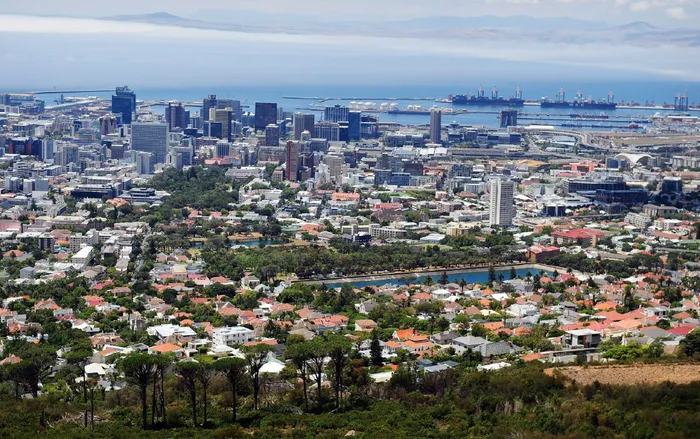
Cape Town's residential property market experienced a 10.0% year-on-year inflation rate by October 2025, contributing to an affordability crisis that is increasingly displacing the city's middle class, according to market data. This significant increase in property values is a key factor in the current market dynamics, making homeownership and even rental accommodation a growing challenge for many residents. The rising property values coincide with a record-low rental vacancy rate of 1.07% reported across the Western Cape. This tight rental market and escalating purchase prices are placing significant financial pressure on residents, leading to concerns that Cape Town is pricing out its very own middle class. The combination of these factors paints a picture of a market under considerable strain, where demand consistently outstrips supply, driving up costs across the board.
Soaring Rents and Sales Pace
Average rents along Cape Town's Atlantic Seaboard reached R11,894 per month, showing a substantial 6.8% annual growth in the final quarter of 2025. This upward trend in rental costs in one of the city's most desirable areas notes the broader pressure on housing affordability. This area also registered a remarkable R314 million in property sales during early 2026, indicating sustained investor and buyer interest despite the high prices. Data indicates that Cape Town maintains the fastest sale times and the smallest gap between listing price and final sale price compared to any other major South African metropolitan area. This efficiency in the sales process shows the high demand and competitive nature of the market.
Within the bustling City Bowl, a significant 71% of property listings were sold within just 30 days of market entry. This rapid turnover is a clear indicator of intense buyer activity and limited inventory in central, sought-after locations. In Camps Bay, however, sectional-title stock experienced a different pace, spending an average of 131 days on the market in late 2025. This divergence suggests that while some segments of the market are moving at an unprecedented speed, others may require more time to secure a sale, potentially due to higher price points or specific property characteristics. The market dynamics reflect continued demand in key areas, contributing to the broader pressure on affordability across the city. This rapid turnover in central areas, alongside rising rental costs, characterizes the current state of Cape Town's property sector, creating a challenging environment for prospective homeowners and renters alike. The sustained demand, particularly for properties that are well-located and competitively priced, continues to fuel the upward trajectory of the market.
Short-Term Rental Dynamics
Short-term rental markets in Cape Town show varied performance across different neighborhoods, reflecting diverse tourist and visitor preferences. In Sea Point, listings for short-term rentals increased by approximately 33% year on year, demonstrating a significant expansion in available accommodation options. This growth in available properties was accompanied by a substantial rise in demand, with short-term rental bookings in Sea Point growing by an impressive 50% over the past year. The increased demand contributed to an improved occupancy rate for these properties, reaching 75%. This strong performance in Sea Point suggests a thriving market segment, benefiting from its attractive location and amenities.
Conversely, the short-term rental market in Camps Bay exhibited different trends, indicating a more nuanced picture of the sector. Occupancy rates for short-term rentals in Camps Bay saw a decrease, slipping to around 64%. This decline in occupancy suggests that while the area remains popular, it may be experiencing increased competition or a shift in visitor patterns. Despite this decline in occupancy, the area still experienced an increase in bookings, with short-term rental bookings in Camps Bay up 11%. This indicates continued interest from visitors even as the proportion of occupied nights slightly reduced, possibly due to a larger pool of available properties or shorter average stays. These dynamics suggest a shifting landscape within Cape Town's short-term accommodation sector, with Sea Point experiencing strong growth in both supply and demand, leading to higher occupancy, while Camps Bay saw booking growth despite a dip in its occupancy rate. The varying fortunes of these prominent areas highlight the localized nature of the short-term rental market and the importance of understanding distinct sub-market trends.
Market Discrepancies and Affordability Gaps
The spread between asking and achieved prices in Cape Town's property market has widened, indicating a growing disparity in seller expectations and buyer willingness. This trend is particularly noticeable in the higher-value home segment, where properties are experiencing the largest discounts. This suggests that while overall prices are high, buyers at the top end of the market are becoming more discerning and less willing to pay premium prices without negotiation. These larger discounts on premium properties suggest a recalibration of value in certain market tiers, even as overall prices continue their upward trajectory. The widening gap between initial asking prices and final sale prices points to a market where sellers may be overestimating property values, especially for luxury offerings, while buyers are exercising more caution.
The broader market dynamics in the Western Cape show a strong rental payment record, which provides a measure of stability within the rental sector. In mid-2025, an impressive 88.81% of tenants in the Western Cape were recorded as being in good standing, according to market data. This high rate of tenant compliance points to a degree of financial stability among renters, despite the increasing rental costs and the broader affordability crisis. It suggests that while rents are high, tenants are largely managing their financial commitments. However, the widening gap between asking and achieved prices for sales, especially for higher-value homes, points to a potential divergence in the sales market. This suggests that while demand for rentals remains strong and payments are consistent, the sales market may be experiencing a more discerning buyer base, particularly at the upper end. The resilience of the rental market, as evidenced by consistent tenant payments, contrasts with the more cautious approach observed in the high-end sales market, where price adjustments are becoming more common to secure sales. This dual dynamic shows the complexity of Cape Town's property landscape.
Economic Context and Expert Views
Consumer Price Index (CPI) stood at 3.1% in March 2026, providing a broader economic context for property market trends. This inflation rate indicates the general increase in prices of goods and services, which can indirectly influence household budgets and their capacity for housing expenses. The South African Reserve Bank's repurchase rate, or repo rate, has remained stable at 6.75% since its adjustment in November 2025. This consistent rate influences borrowing costs for property buyers, impacting mortgage affordability and investment decisions. A stable repo rate can provide some predictability for homebuyers, but high property prices coupled with this rate still present a significant financial hurdle.
Concurrently, Cape Town International Airport recorded a new milestone in 2025, handling a record 11.1 million passengers. This significant increase in air travel points to sustained visitor interest and potential residential demand in the region, as a thriving tourism sector often correlates with increased demand for both short-term rentals and long-term residency. The influx of visitors and potential new residents contributes to the overall demand pressure on the city's housing stock, further exacerbating the affordability challenges. These economic indicators and external factors collectively shape the intricate dynamics of Cape Town's property market, influencing everything from rental prices to sales volumes and ultimately impacting the financial well-being of its residents. The continued growth in tourism and stable interest rates, while positive for the broader economy, contribute to the sustained demand that underpins the current affordability crisis.