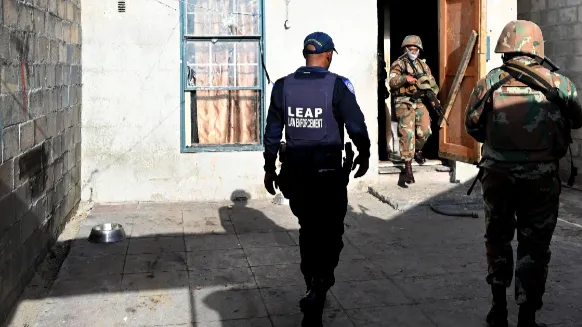
Eleven Cape Town police stations feature among South Africa's top 30 for murder, according to the latest crime statistics released by the South African Police Service (SAPS) for the first quarter of the financial year, covering April 1 to June 30, 2026. This full report, spanning the period from 1 April to 30 June 2026, provides a critical snapshot of the crime landscape across the nation. Despite a potential overall decrease in murder rates across the Western Cape, specific communities within Cape Town remain highly dangerous. The data notes that murder may be down in the Western Cape, but these Cape Town communities continue to be among the most dangerous places in the country. Mfuleni and Nyanga policing districts hold the first and second national rankings for murder rates, showing the severe challenges faced in these areas.
Additionally, Philippi East, ranked fourth nationally, Delft, ranked fifth, Harare, ranked sixth, and Khayelitsha, ranked tenth, are among the top ten policing districts nationally for murder. These figures indicate a concentrated pattern of violent crime within the metropolitan area. Other Cape Town areas listed in the top 30 include Kraaifontein, which is eleventh nationally, Gugulethu, sixteenth nationally, Makhaza, seventeenth nationally, Lingelethu-West, twenty-fifth nationally, and Mitchells Plain, twenty-seventh nationally. These rankings firmly place 11 local police stations from Cape Town within South Africa's top 30 for murder, illustrating the significant impact of violent crime on the city.
Within the Western Cape province itself, Mfuleni ranks first for murder, reflecting the extremely high incidence of fatal violence in the area. Nyanga follows closely, securing the second position for murder within the province. Philippi East ranks fourth provincially, Delft ranks fifth, Harare ranks sixth, and Khayelitsha ranks tenth in the province, further detailing the hotspots of murder within the Western Cape. Kraaifontein ranks eleventh provincially, adding to the list of precincts grappling with high murder rates.
Provincial Crime Overview
The Western Cape recorded 1,071 murders during the first quarter of the financial year, placing it third nationally in reported murder incidents. This figure represents a significant number of fatalities within a three-month period. The province's murder ratio stands at 13.9 murders per 100,000 people, indicating it is the second-highest province where residents face a risk of being murdered. This ratio shows the elevated danger to life experienced by the population of the Western Cape compared to many other parts of the country. Among the 1,071 murders reported, firearms were used in 663 cases, noting the widespread role of gun violence in these incidents. The Western Cape also shares the highest provincial ranking with Gauteng for killings resulting from mass shootings, with 65 dockets opened for such incidents, pointing to a particularly brutal form of violence prevalent in these regions.
Specific Precincts and Crime Types
Gugulethu recorded the sixteenth-highest murder rate in the Western Cape, according to the latest South African Police Service (SAPS) crime statistics. This ranking places it among the most affected areas within the province. Makhaza followed closely, ranking seventeenth for murder within the province, indicating a similar level of severe violent crime. Lingelethu-West also featured on the list, placing twenty-fifth for murder in the Western Cape during the reporting period. Mitchells Plain registered the twenty-seventh-highest murder rate in the province, further solidifying its presence among the areas most impacted by murder.
Beyond murder statistics, several Cape Town precincts appear prominently in national rankings for contact crimes. These crimes, which involve direct interaction between the victim and offender, include offenses such as assault, robbery, and sexual offenses. Mfuleni holds the second position nationally for contact crime, indicating a widespread problem with these types of offenses in the area. Delft is listed as the third-highest precinct in South Africa for contact crime incidents, reflecting a similarly high prevalence. Nyanga ranks fifth nationally for contact crime, indicating a significant prevalence of offenses such as assault, robbery, and sexual offenses, which directly impact community safety and well-being.
Mitchells Plain also features among the top national precincts for contact crime, ranking sixth across South Africa, signifying a high volume of these types of crimes. Kraaifontein is listed as the eighth-highest precinct in the country for contact crime, further illustrating the widespread nature of these offenses in the Cape Town metropolitan area. Cape Town Central, a key urban area and business hub, ranks fourteenth nationally for contact crime incidents, suggesting that even central, bustling areas are not immune to these challenges. Khayelitsha is identified as the twenty-sixth precinct in South Africa with a high rate of contact crime, demonstrating the broad geographical spread of this issue. Worcester, a town outside the immediate Cape Town metropolitan area, is also noted in the statistics for contact crime, indicating that the problem extends beyond the city limits.
Context and Reactions
Reported cases of murder in the Western Cape decreased from 1,148 in the same period last year to 1,071, marking a reduction of 77 incidents. This decline represents a notable, albeit modest, improvement in the overall murder rate for the province. Despite this reduction, the persistent high rankings of specific Cape Town precincts for murder and other serious crimes remain a significant concern. Gang conflict remains the primary contributor to violence on the Cape Flats, accounting for 217 related murders during the reporting period. This widespread issue continues to fuel a substantial portion of the deadly violence in the region, making it the biggest single driver of violence on the Cape Flats. Authorities noted that Cape Town has recorded a fourth consecutive quarterly decline in serious crime, a trend that offers a glimmer of hope amidst the challenging statistics. This consistent reduction in serious crime over successive quarters suggests that some interventions may be having an effect, even if localized hotspots persist.
Despite this decline in overall serious crime, several Cape Town precincts rank highly nationally for serious crime, which encompasses a broader range of offenses beyond just murder and contact crimes. Cape Town Central holds the first position in South Africa for serious crime incidents, indicating a significant concentration of various criminal activities in this vital urban area. Mitchells Plain is ranked sixth nationally for serious crime, noting its struggle with a wide array of criminal challenges. Mfuleni is listed as the ninth-highest precinct in South Africa for serious crime, further emphasizing the multifaceted nature of its crime problem. Delft also features prominently, ranking tenth nationally for serious crime, showing the severity of the crime situation in this community. Kraaifontein is identified as the thirteenth-highest precinct in South Africa for serious crime, completing the picture of several Cape Town areas facing substantial and persistent crime issues across multiple categories.