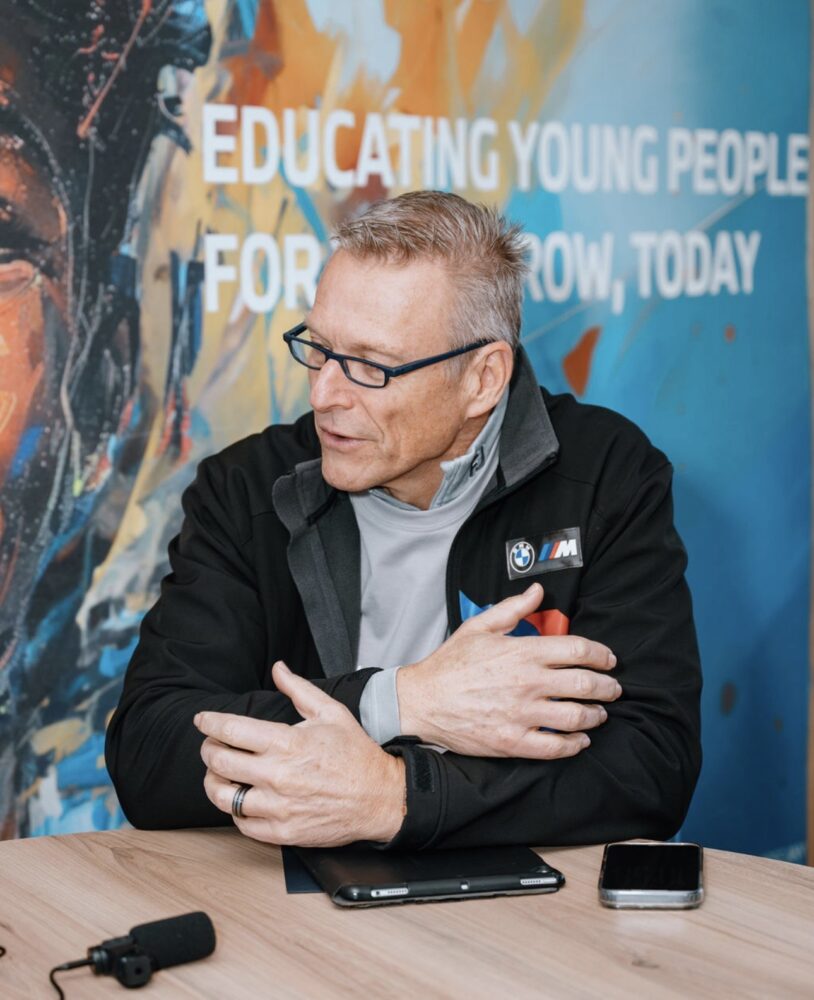
South Africa faces a significant skills mismatch, presenting a paradox where the nation has no shortage of graduates, yet simultaneously grapples with a profound deficit of critical technical skills. This imbalance is particularly evident in the scarcity of technicians, artisans, engineers, and coders, among other skilled workers. This disparity notes a critical need for targeted investment in technical expertise to support the nation's economic development and ensure a strong, competitive workforce for the future. Peter van Binsbergen, a prominent voice in the industry, stated that companies have a responsibility to invest in their surrounding communities, emphasizing the key role of corporate social responsibility in national development.
Mr. Van Binsbergen emphasized that such corporate engagement could substantially advance the country, providing vital support for skills development and community upliftment. "Companies need to invest in their communities. If everybody did that in South Africa, it would really move things forward," he said, showing the collective impact that widespread private sector involvement could have. This perspective notes the essential role of the private sector in addressing the skills gap by fostering local talent and skill development, thereby contributing to sustainable economic growth and social progress.
The Skills Mismatch Crisis
The challenges posed by this skills mismatch are particularly acute for the younger generation. More than six out of every 10 South Africans aged between 15 and 24 are unemployed, a stark statistic that shows the urgency of the situation. This demographic faces significant barriers to entering the workforce, a situation further compounded by the national skills deficit. The lack of alignment between available jobs and the skills possessed by job-seekers creates a bottleneck that stifles economic participation and perpetuates unemployment. Addressing this complex challenge requires full and targeted interventions, coupled with strategic investment in education and training initiatives designed to equip young people with the competencies demanded by the modern economy.
In response to this pressing need for skills development and job creation, BMW has taken significant steps, investing heavily in education initiatives around its Rosslyn manufacturing plant. These programs are specifically designed to equip local youth with technical expertise, fostering a pipeline of skilled workers who can contribute directly to the industrial sector and the broader economy. The company's efforts represent a proactive private sector approach to mitigating the broader unemployment and skills mismatch crisis affecting the country. Such initiatives are seen as vital for empowering young people, providing them with tangible opportunities for employment and career progression, and ultimately supporting South Africa's economic trajectory towards sustained growth and prosperity.
BMW's Community Investment and Technological Integration
At BMW's Rosslyn plant, the commitment to advanced manufacturing is evident through the employment of sophisticated digital systems that monitor production quality in real time. These advanced systems integrate a network of sensors, high-resolution cameras, and advanced data analytics to ensure precision and efficiency throughout the manufacturing processes. This technological prowess at the plant mirrors the efforts to cultivate future technical talent in nearby communities, recognizing that a skilled workforce is essential for leveraging such advanced technologies.
A prime example of this community investment is the Soshanguve School of Specialisation, located in Pretoria, Gauteng. This educational institution has established a specialized curriculum with a strong focus on engineering, mathematics, science, and other technical subjects. The school's mission is to equip students with foundational knowledge and practical skills that are key for successful careers in technology and industry, directly addressing the national shortage of skilled workers.
Further solidifying this commitment to youth development and STEM education, BMW Group South Africa and UNICEF South Africa recently co-hosted their fifth STEM-focused Youth Day at the Soshanguve School of Specialisation. This significant event provided students with invaluable exposure to various aspects of science, technology, engineering, and mathematics, aligning perfectly with the school's specialized educational objectives. The initiative reflects a continued and deepening partnership between the automotive manufacturer and the international organization, aimed at promoting technical skills development among South African youth. These efforts are particularly focused on areas relevant to modern industrial practices, such as those implemented at the Rosslyn facility, ensuring that students are prepared for the demands of a technologically advanced workforce.
Future Workforce Outlook and AI Integration
The future workforce will increasingly integrate artificial intelligence (AI) into daily operations and processes, according to Peter van Binsbergen. He articulated a nuanced perspective on the role of AI, stating that artificial intelligence itself will not replace human workers in a wholesale manner. However, Mr. Van Binsbergen emphasized a critical shift in required skills, noting that individuals proficient in using artificial intelligence tools are likely to displace those who lack such capabilities. He articulated this perspective by saying, "Artificial intelligence is not going to replace people. But people using artificial intelligence will replace people who are not using artificial intelligence." This view suggests that adapting to technological advancements, particularly in the realm of AI, will be absolutely key for maintaining relevance and competitiveness in various professional fields across all sectors. The implication for South Africa's skills development landscape is profound: there is a growing and urgent need to equip the current and future workforce with proficiency in emerging technologies, including AI, to ensure national competitiveness, foster innovation, and secure employment opportunities in an evolving global economy.