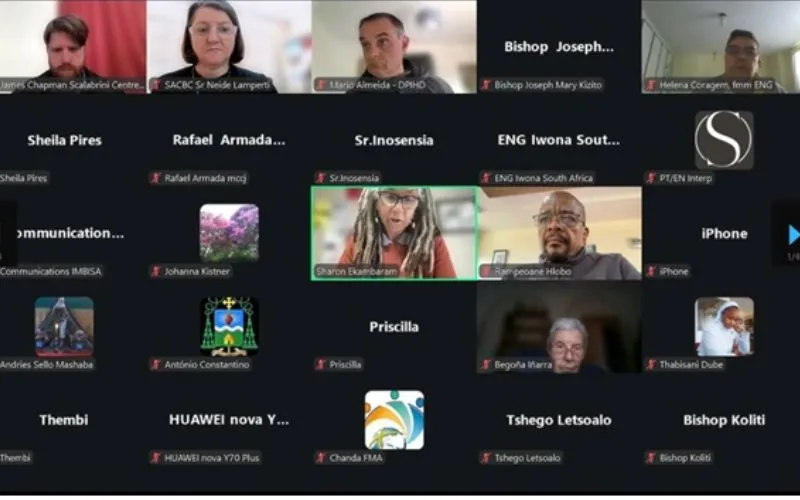
Bishop António Manuel Bogaio Constantino, head of Media and Communications at the Inter-Regional Meeting of the Bishops of Southern Africa (IMBISA), condemned acts of xenophobia against migrants in South Africa during a virtual meeting held on May 8. He described the situation as "a delicate reality" affecting governments, communities, and ordinary citizens. The Southern African Catholic Bishops’ Conference (SACBC) Migrants, Refugees, and Human Trafficking Office organized the discussion in collaboration with IMBISA. This collaborative effort aimed to foster dialogue and address the pressing issues faced by migrant populations in the region.
Bishop Bogaio stated, "The protest against migrants in South Africa is a delicate reality, a human situation, which not only affects governments and international organizations, but also our churches, our communities, and every citizen of goodwill." He further noted that South Africa has experienced recurring incidents of violence, intimidation, and attacks targeting migrants and foreign nationals in 2026. These incidents have created a climate of fear and insecurity for many. "The recent protests, marked by social tensions, economic difficulties, unemployment, and a sense of insecurity, have had a particular impact on migrants and refugees in South Africa, and not only them, but also all those who are residents there," Bishop Bogaio added. He emphasized that "no person should be reduced to their nationality, their social status, or their migratory condition, or be expelled because they went in search of better conditions." His remarks showed the fundamental human dignity that should be afforded to all individuals, irrespective of their origin or circumstances.
Context of Attacks
Bishop António Manuel Bogaio Constantino observed that recent protests have emerged amidst "social tensions, economic difficulties, unemployment, and a sense of insecurity." This complex interplay of factors contributes significantly to the anti-migrant sentiment. Many migrants, he noted, originally left their home countries seeking safety and opportunities for survival in South Africa, often fleeing instability or poverty in their homelands. Renewed anti-immigrant protests have occurred in several urban centres across the nation, noting the widespread nature of the issue. The discussion itself took place against a backdrop of increasing anti-migrant demonstrations, particularly prominent in South Africa's KwaZulu-Natal and Gauteng provinces, where tensions have frequently flared. Bishop Bogaio further stated that xenophobia in South Africa is not a recent phenomenon, emphasizing that its origins trace back many years. He noted that the current unrest is rooted in a confluence of factors, including economic hardships and a broader feeling of insecurity among segments of the population. The Bishop’s remarks show a persistent challenge that has affected both local communities and the migrant population for an extended period, suggesting a deep-seated issue rather than isolated occurrences. His assessment suggests a complex situation driven by long-standing societal issues rather than isolated incidents, requiring full and sustained interventions.
Regional and Rights Concerns
The African Commission on Human and Peoples’ Rights expressed grave concern regarding xenophobic violence and vigilante actions targeting migrants in South Africa. The Commission issued its statement on April 27, noting the serious implications of such conduct for regional stability and human rights. Its concerns centered on the safety and human rights of migrant populations within the country, drawing attention to a pattern of violence and unofficial enforcement activities that undermine the rule of law. This expression of concern from a prominent regional human rights body shows the international scrutiny surrounding the issue of xenophobia in South Africa, reflecting the continent's commitment to protecting vulnerable groups. The Commission's statement emphasized the need for authorities to address these challenges effectively and protect vulnerable communities from harm, urging compliance with international human rights standards.
The issue of xenophobia, however, is not confined to South Africa's borders, according to observations made in the broader discussion. The problem affects the wider Southern African Development Community (SADC) region, indicating that several other African countries also grapple with similar challenges related to migration and social integration. This regional scope suggests that while South Africa experiences significant incidents, the underlying social and economic tensions contributing to xenophobic sentiment are present across a broader geographical area. The interconnectedness of regional economies and migration patterns means that the causes and effects of xenophobia can transcend national boundaries, impacting multiple nations within Southern Africa. This broader context points to a shared regional challenge requiring coordinated responses and a unified approach to addressing the root causes of xenophobia and protecting migrant rights throughout the SADC region.
Call for Action and Reflection
The online meeting on May 8, which noted these concerns, brought together over 80 participants, signifying the widespread interest and urgency associated with the topic. The discussion showed the need for concerted efforts from various stakeholders to address xenophobic tendencies and their impact on migrant populations. Religious leaders and community organizations have been urged to play a more active role in fostering understanding and promoting social cohesion within diverse communities, leveraging their influence to bridge divides. The call for action extends to governments, civil society, and international bodies, emphasizing a shared responsibility in protecting the rights and dignity of all individuals, regardless of their origin or migratory status. Advocates for migrant rights stressed the importance of implementing policies that not only deter xenophobic violence but also integrate migrants into society, ensuring their safety and access to essential services such as healthcare and education. The dialogue also touched upon the necessity of addressing the underlying socio-economic factors that contribute to tensions between local and migrant communities, including poverty, unemployment, and inequality. Participants in the virtual forum were encouraged to reflect on their roles in challenging prejudice and advocating for a more inclusive society where all residents can live free from fear and discrimination.