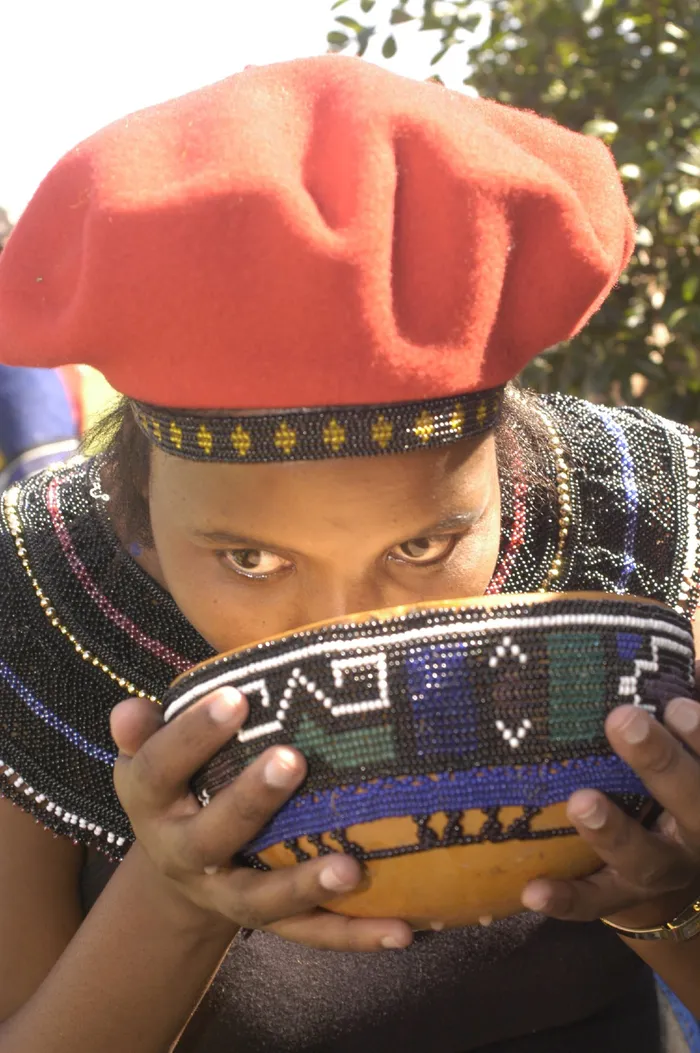
South Africa's heritage is shaped by a complex interplay of indigenous African civilisations, migration, colonialism, slavery, Indian indenture, Afrikaner and British settlement, apartheid, and its democratic constitutional order. This rich tapestry of historical influences has created a nation of profound diversity, making the concept of shared heritage both vital and intricate. Heritage Month carries a purpose beyond the superficial acts of wearing traditional clothes, enjoying traditional food, or celebrating braai culture. While these elements are part of cultural expression, they often only scratch the surface of a community's true identity and historical journey. A deeper understanding of this multifaceted history must extend beyond mere appreciation of food, music, and colourful traditional clothing, delving into the narratives, struggles, and triumphs that have shaped each group.
The Current Gap in Understanding
Despite the nation's diverse composition, a significant gap in mutual cultural understanding persists. Many indigenous South Africans have made efforts to understand the cultures of other communities, yet this reciprocity is often notably weaker when it comes to non-indigenous groups engaging with indigenous cultures. South Africans frequently live alongside amaZulu, amaXhosa, amaPedi, Tswanas, amaNdebele, amaSwati, Venda, and other groups for decades with minimal knowledge of their histories, traditions, and languages. This lack of deeper engagement can lead to a fragmented society where interactions remain at a superficial level. Building a cohesive society requires more than simply asking people to celebrate diversity; individuals need genuine opportunities to understand one another at a fundamental level. This perspective suggests that deeper engagement, moving beyond mere coexistence, is essential for bridging existing cultural divides and fostering a truly united nation.
Expanding Cultural Literacy
Expanding cultural literacy requires individuals to look beyond their immediate cultural spheres, according to commentators. This means actively seeking knowledge about the historical experiences and cultural practices of communities different from one's own. For instance, an isiZulu-speaking child should possess some knowledge regarding the history of Indian indentured labour in Natal, understanding the circumstances that brought this community to South African shores and their subsequent contributions. This understanding should also extend to the Cape Malay community, appreciating their unique cultural blend and historical roots, the distinct histories of Afrikaner and Jewish South Africans, recognising their respective journeys and influences, and the experiences of English-speaking South Africans, acknowledging their role in the country's development. Such a broadened perspective is presented as essential for developing a more integrated national identity, one that acknowledges and values the contributions and narratives of all its people. By engaging with these diverse historical narratives, individuals can move past superficial interactions to cultivate a more profound appreciation of the country's multifaceted heritage. This approach aims to build a foundation for mutual respect and shared understanding among all South African communities, strengthening the social fabric of the nation.
Institutions for Deeper Connection
Schools and workplaces are identified as having a critical role in fostering deeper understanding among South Africa's diverse communities. These institutions can move beyond superficial acknowledgments of cultural differences to facilitate more meaningful engagement and learning. Within educational settings, cultural exchange programmes are proposed as a method to build this understanding, allowing students to directly experience and learn about different traditions, languages, and histories. Similarly, workplaces could implement initiatives focused on cultural and linguistic literacy, providing employees with opportunities to learn about their colleagues' backgrounds and communication styles. Such efforts are presented as a means to transform diversity from a mere demographic statistic into a foundation for genuine mutual understanding across various groups in South Africa. By actively promoting learning and interaction, these institutions can cultivate environments where cultural differences are not just tolerated but genuinely understood and valued, contributing to a more cohesive and empathetic society.