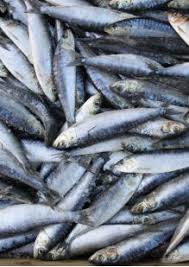
The Department of Forestry, Fisheries and the Environment (DFFE) is investigating numerous reports of sardines washing ashore in the Gqeberha area, alongside observations of fish floating offshore and within the harbour. This follows initial isolated sightings at Bakoven and off Tsitsikamma, according to the department. "On 27 August 2026, this was followed by widespread reports of sardines washing ashore around Gqeberha and floating offshore and within the harbour," the DFFE stated. The department considers Pilchard Herpesvirus (PHV) the leading explanation for a prior Western Cape mortality event, and a link to the Gqeberha incident is deemed likely but awaits confirmation, with samples being collected for further testing.
Monitoring and Response Efforts
An intergovernmental task team convened on August 26, 2026, to address the sardine mortality event, assigning responsibilities and formulating a full response plan. This plan encompasses surveillance activities, testing of samples, appropriate disposal of dead fish, public communication strategies, and an assessment of the impact on sardine stocks. In parallel, the Small Pelagic Scientific Working Group is scheduled to meet on September 4, 2026. This meeting will review the most recent findings related to the sardine deaths and consider their implications for ongoing fisheries management strategies. Further data on the sardine stock status post-event will be gathered during the October/November hydroacoustic survey, which is expected to provide essential information.
Suspected Cause and Wider Impact
Pilchard Herpesvirus (PHV) remains the leading explanation for the Western Cape mortality event, with a link to the Gqeberha incident considered likely but requiring confirmation. The Department of Forestry, Fisheries and the Environment (DFFE) stated, "Pilchard Herpesvirus (PHV) remains the leading explanation for the Western Cape mortality event. A link with the Gqeberha event is considered likely but still requires confirmation. Other possible causes and environmental factors will also be investigated." The department also confirmed that samples are being collected for further testing, and observers will document fish distribution and attempt systematic counts at sea. Beyond South Africa, sardine strandings have also been reported along the Namibian coast. Namibian authorities have agreed to provide samples for PHV testing to determine if the outbreaks are connected. Additionally, live and dead sardines have been observed in the Koeberg cooling-water intake basin, where seals have been seen feeding on them.
Public Safety and Consumption
A joint statement issued by the Department of Forestry, Fisheries and the Environment (DFFE) and the National Regulator for Compulsory Specifications (NRCS) on August 27, 2026, addressed public concerns regarding sardine consumption. The statement confirmed that there is no basis to discontinue the consumption of commercially produced canned sardines. This applies specifically to products processed under the oversight of the NRCS. The assurance aims to clarify that the current sardine mortality event does not impact the safety of these regulated consumer goods, distinguishing them from the fresh fish involved in the Gqeberha incident.
Recent Sightings and Timeline
Widespread reports of sardines washing ashore around Gqeberha and floating offshore and within the harbour were received on August 27, 2026. Prior to this, authorities had not recorded any new mass-mortality incidents since August 16, 2026.