Ghana has summoned South Africa's top envoy to the country and raised a formal protest regarding reported "acts of intimidation and harassment" against its citizens and other African migrants amid ongoing anti-migrant violence. The diplomatic action follows recent xenophobic incidents, including a video circulating online that shows South Africans questioning a Ghanaian man. Ghana's High Commission in South Africa shared footage of top envoy Benjamin Quashie meeting the man, who was asked to present documents and told to "fix your country." Ghana's foreign affairs ministry stated that the man is legally in South Africa, adding that "Such conduct undermines the dignity and rights of law-abiding citizens." International groups are also appealing for action from the South African government to address rising threats against immigrants, following reports of two Nigerian nationals being killed.
Escalating Xenophobic Incidents
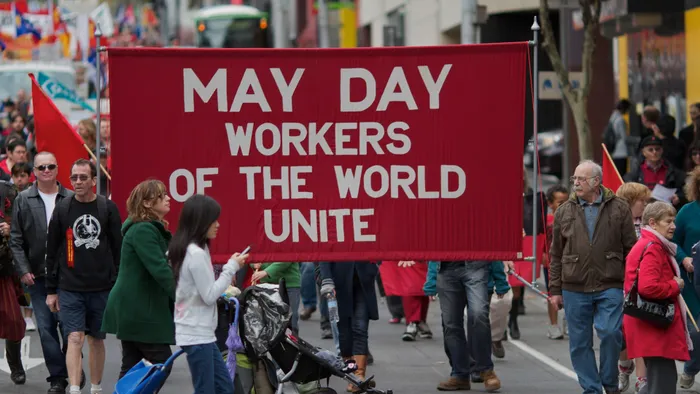
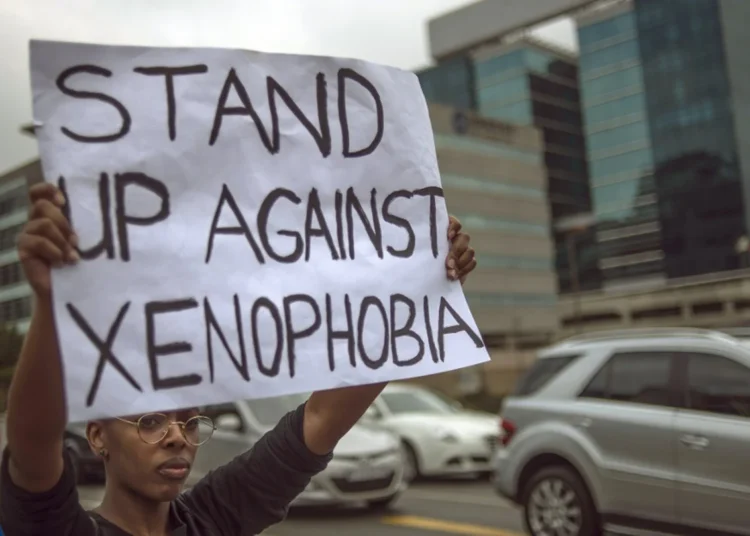
Videos have documented physical assaults, violence, and human rights degradation in South Africa, as locals have attacked migrants. Demonstrations in several cities, including Cape Town, Durban, and East London (now known as KuGompo City), have reportedly turned violent, with incidents of looting, damage to property, and injuries reported. Immigrants say they are living in constant fear, reporting assaults, violent harassment on the streets, and disruptions to their businesses by xenophobic groups, according to a Democracy Now report. Vigilante groups such as Operation Dudula and March on March claim South Africa is overrun with migrants and blame them for social problems, particularly unemployment and drug abuse. Reports indicate xenophobia has long been an issue in South Africa, accompanied by occasional outbursts of deadly violence. The head of the Nigerian Union of South Africa advised its members to remain indoors amid the escalating tensions.
Government and Diplomatic Responses
Ghana has issued warnings to its citizens in South Africa, urging them to exercise heightened vigilance amid anti-illegal immigration marches and protests. Ghana’s high commission advised its nationals to close their businesses and maintain a "low profile" due to the ongoing violence. Nigeria has similarly urged its citizens living in South Africa to exercise caution following reports of renewed anti-foreigner protests. Ghana's Foreign Affairs Minister Samuel Okudzeto Ablakwa has spoken with his South African counterpart, Ronald Lamola, who promised a full investigation into the incidents and expressed empathy for the victims. South Africa's acting Police Minister Firoz Cachalia condemned the acts, stating that "no individual or group has the authority to take the law into their own hands, irrespective of grievances or frustrations." Ghanaian officials have met the man visible in a viral video to offer support and also urged citizens abroad to continue being "law-abiding." Observers, however, have viewed the South African government's responses to the recent attacks as light and lacking significant impact.
Calls for Deeper Solutions
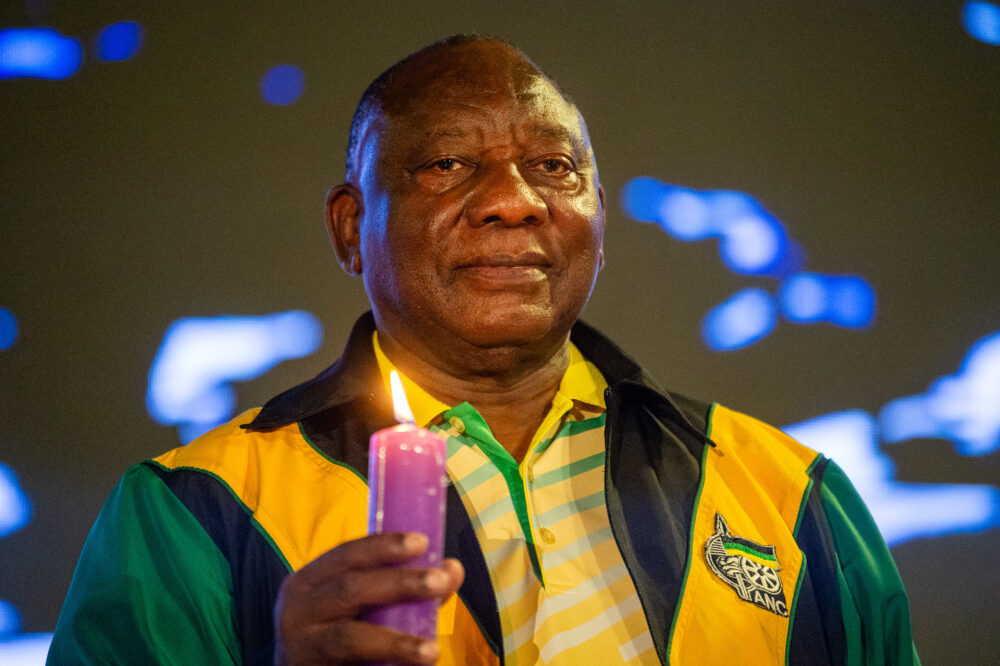
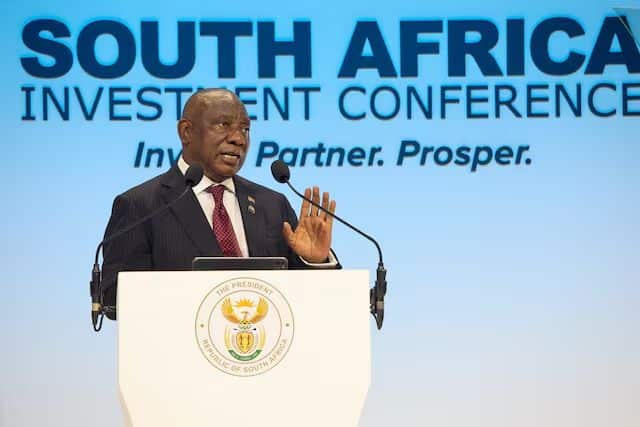
Bishop Joseph Kizito of Aliwal in South Africa stated that the narrative suggesting migrants are stealing jobs is dangerous. Bishop Kizito stressed that such claims are a distraction from underlying issues, adding, "Such claims are a distraction from the root causes of the crisis." President Cyril Ramaphosa, in his Freedom Day speech on April 27, recalled the essential role support from other African countries played in the ANC’s struggle against apartheid. South Africa hosts approximately 2.4 million migrants, constituting just under 4% of its population, according to official figures. Human rights groups continue to raise alarm amid the violence targeting African migrants. Regarding the Ghanaian man featured in a viral video, Ghana's foreign affairs ministry confirmed his legal status in South Africa, stating, "Such conduct undermines the dignity and rights of law-abiding citizens."