Three individuals were wounded after gunshots were fired during anti-migrant protests in Jeffreys Bay, South Africa. The violence occurred following door-to-door marches by local residents who demanded the expulsion of undocumented foreign nationals from the area, marking a significant escalation in tensions within the community. The incident noted the volatile nature of anti-migrant sentiments that have been simmering across various parts of the country.
Chaos in Ocean View
Twenty-three foreign-owned convenience stores were looted within the township of Ocean View, located outside Jeffreys Bay, amidst the ongoing anti-migrant protests. The widespread looting unfolded rapidly, leaving a trail of destruction and economic loss for the affected shopkeepers. Protesters have claimed that armed men, reportedly defending a migrant-owned spaza shop, opened fire on the assembled crowd. This allegation suggests a direct confrontation between the protesting residents and those perceived to be protecting foreign-owned businesses. However, the owner of the implicated shop has vehemently denied this allegation, stating unequivocally that no armed individuals associated with his establishment discharged firearms, presenting a conflicting narrative of the events that transpired.
The South African Police Service (SAPS) has confirmed it is actively investigating the shooting incident in Ocean View. This investigation aims to determine the sequence of events, identify those responsible for the gunfire, and ascertain the precise circumstances under which the three individuals sustained injuries. Reports indicate that the three individuals wounded during the unrest were among those participating in the protests and looting activities, suggesting they were part of the crowd that engaged in the anti-migrant demonstrations. Law enforcement officials have arrested 69 people in connection with the looting and general unrest that occurred in Ocean View. These arrests reflect the scale of the disturbance and the police's efforts to restore order and address criminal acts committed during the protests. Despite these arrests, authorities have confirmed that no arrests have yet been made specifically for the shooting incident itself, indicating an ongoing challenge in identifying and apprehending the perpetrator(s) of the gunfire. The lack of arrests in the shooting shows the complexity of the investigation and the difficulties in attributing responsibility in chaotic crowd situations.
The atmosphere in Ocean View remained tense following the events, with residents grappling with the aftermath of the violence and the continued presence of anti-migrant sentiment. The door-to-door marches that preceded the unrest served as a clear signal of the community's demands for the expulsion of undocumented foreign nationals, setting the stage for the subsequent confrontations. The targeting of foreign-owned businesses, particularly convenience stores, reflects a pattern seen in other anti-migrant incidents across South Africa, where economic grievances are often intertwined with calls for the removal of foreign nationals. The SAPS continues its efforts to gather evidence and witness testimonies to piece together a full understanding of the events that led to the injuries and the widespread looting.
Broader National Context
Similar protests have continued across South Africa, occurring despite an unofficial June 30 deadline set by fringe groups for undocumented migrants to leave the country. This deadline, which had no legal basis, nonetheless fueled anti-migrant sentiment and contributed to a climate of fear and uncertainty among foreign nationals. This ongoing unrest has coincided with a concerning rise in violence targeting foreign nationals, indicating a deepening crisis of xenophobia and a breakdown of social cohesion in certain areas.
At least four foreign nationals have been killed in South Africa since late May, reflecting the escalating tensions and the grave dangers faced by migrant communities. These fatalities show the severity of the anti-migrant violence and the urgent need for effective interventions to protect vulnerable populations. The cumulative impact of these anti-migrant sentiments and related violence has led to a significant exodus of people seeking safety and stability elsewhere. Figures compiled by AFP indicate that more than 150,000 people have left South Africa, a staggering number that points to a widespread displacement crisis. The majority of individuals who departed were Malawians and Zimbabweans, according to the same figures, noting the disproportionate impact of the violence on these specific communities. These individuals often leave behind their livelihoods and established lives, forced to seek refuge in their home countries or other nations.
Law enforcement efforts to address the broader pattern of anti-migrant activities have resulted in numerous detentions across the country. As of July 8, approximately 350 people have been detained nationwide. These detentions are in connection with unlawful conduct, intimidation, incitement, and other related offences, demonstrating a concerted effort by authorities to curb the spread of violence and maintain public order. The detentions highlight the widespread nature of the issues beyond the specific events in Jeffreys Bay, pointing to a larger national challenge concerning migration and public order. The continued protests and the number of people leaving the country show the widespread impact of these movements across various communities in South Africa, affecting social structures, economic activities, and the overall sense of security for both foreign nationals and local residents. The government faces increasing pressure to address the root causes of these tensions and to implement full strategies to prevent further violence and displacement.
Personal Stories of Fear
Amidst the turmoil, individuals like Pastor Alfred Jongile have stepped forward to offer assistance and refuge. Pastor Alfred Jongile opened his Pentecostal Impact Church in Ocean View, providing sanctuary to 26 migrants fleeing the violence. His actions provided a key lifeline for those displaced and in immediate danger. Mr. Jongile, a vocal critic of the official response, accused police of failing to act decisively as tensions mounted in the community. "It could have been a bloodbath," he stated, conveying the extreme peril faced by the migrants and the potential for even greater tragedy. He added that "People were chased from the beach to the police station by other people with sticks," illustrating the level of aggression and the desperate flight of those targeted.
One of those directly affected by the violence was Zimbabwean Benson Jere, who tragically lost everything when the unrest reached his home. Mr. Jere recounted a harrowing encounter where individuals confronted him and demanded money. "They told me that if I gave them money, they would tell the others they hadn’t seen me," he said, revealing the opportunistic and predatory nature of some participants in the unrest. This demand for 60 rand was a stark illustration of the vulnerability faced by foreign nationals during the attacks. Reflecting on the broader situation, Mr. Jere observed, "South African people: some have love, others don’t," acknowledging the complex and often contradictory attitudes within the local population. He added that some residents disapprove of the current events but fear being labeled as supporting foreigners, noting the social pressure and intimidation tactics used to silence dissent against the anti-migrant agenda.
Somali-born shopkeeper Muse Ismail, who identifies as a South African citizen, surveyed his ransacked store following the unrest, a scene of devastation and loss. Security gates at Muse Ismail's store were pried open with crowbars, indicating the determination and force used by the looters to gain entry and steal merchandise. "I was told they were coming, so I left," Mr. Ismail said, describing the scale of the participation and the organized nature of the attack. "It was not just a few people but the whole community," he emphasized, showing the widespread involvement of local residents in the looting and intimidation. He recounted a chilling incident the day after the looting: "The next day they were greeting me, ‘Hello Muse’, as if nothing happened," he stated, a testament to the disturbing normalcy that some perpetrators adopted after engaging in destructive acts. This experience left Mr. Ismail with a profound sense of betrayal and confusion regarding community relations.
Community Divisions and Reactions
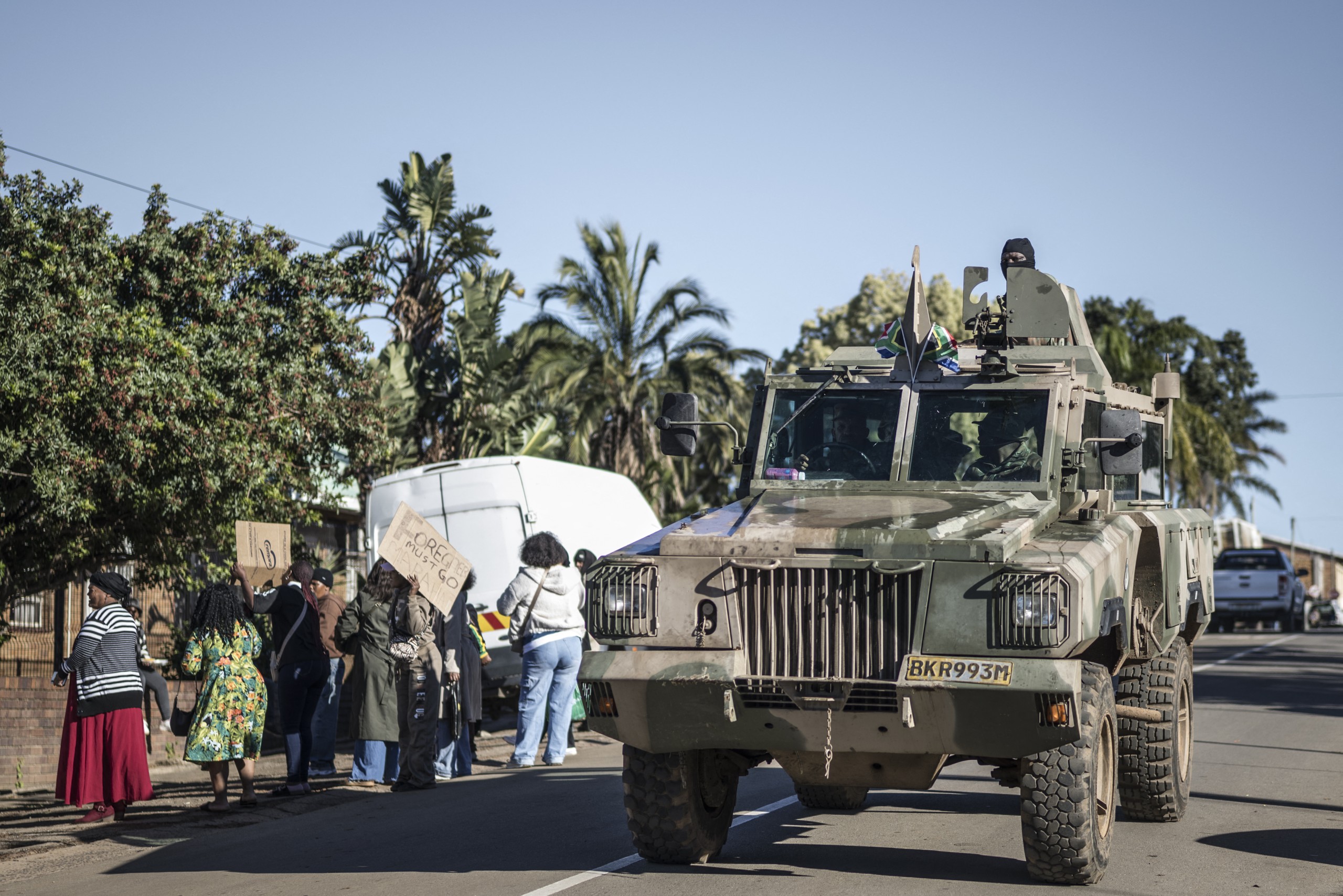
The ongoing anti-migrant sentiment in Jeffreys Bay and across South Africa has exposed deep fissures within communities. Outside a courthouse, a small group waved signs reading “Foreigners Out,” their message stark and uncompromising, observed by a visible presence of soldiers and an anti-riot vehicle, indicating the high security alert in the area. Weeks earlier, Pastor Alfred Jongile had sheltered hundreds of displaced Malawians from similar unrest elsewhere, demonstrating his consistent commitment to protecting vulnerable migrants. Mr. Jongile previously stated, "It could have been a bloodbath," showing the severe risk to life during these clashes. He also observed that "People were chased from the beach to the police station by other people with sticks," vividly portraying the fear and pursuit faced by those fleeing the violence.
Zimbabwean Benson Jere's personal account further illuminates the coercive tactics employed by some individuals during the unrest. He reported that three men demanded 60 rand from him in exchange for not revealing his whereabouts, a direct form of extortion under duress. Mr. Jere quoted them as saying, "They told me that if I gave them money, they would tell the others they hadn’t seen me," illustrating the immediate threat he faced and the calculated nature of the intimidation. He reflected on community attitudes, noting, "South African people: some have love, others don’t," a nuanced perspective on the diverse reactions within the population. He added that "Some don’t want what is happening now but they are going to be told that they are standing with foreigners," noting the intense social pressure and fear of ostracization faced by those who might otherwise sympathize with foreign nationals.
Somali-born shopkeeper Muse Ismail's experience further shows the brazenness of the attacks and the community's complex response. His store's security gates were pried open with crowbars, a detail that speaks to the level of force and determination used by the looters. Mr. Ismail said he was warned before the attack: "I was told they were coming, so I left," indicating that the attacks were not spontaneous but had some level of organization or forewarning within the community. Mr. Ismail described the broad participation, stating, "It was not just a few people but the whole community," which suggests a widespread, rather than isolated, engagement in the looting. He recounted the unsettling experience the day after, remarking, "The next day they were greeting me, ‘Hello Muse’, as if nothing happened," an observation that reveals a disturbing disconnect between the acts of violence and the subsequent social interactions. This apparent nonchalance from some community members has left a lasting impression on those who have suffered losses. The events in Jeffreys Bay are a microcosm of the broader challenges facing South Africa as it grapples with issues of migration, economic disparity, and social cohesion.