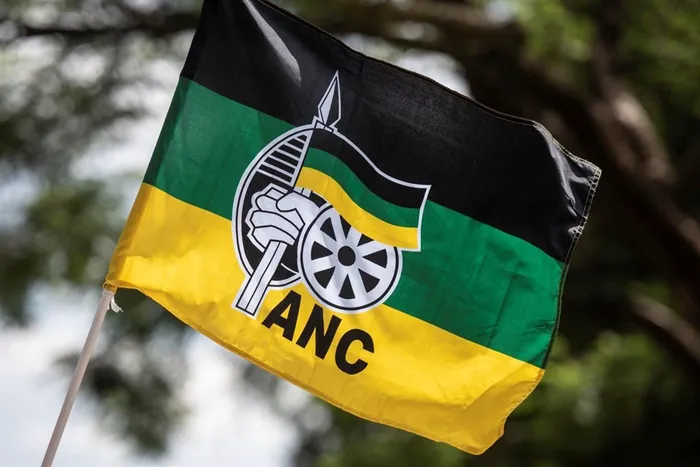
The African National Congress (ANC) and its Secretary-General, Fikile Mbalula, recently withdrew their application for leave to appeal the March 2026 judgment that halted the Eastern Cape provincial conference. This significant development follows Acting Judge Babalo Metu's issuance of his reasons for ruling in favour of three ANC members, Lwazi Rotya, Sinethemba Mpande, and Nompumelelo Mzothwa, on March 26. The withdrawal by the national party, however, has not deterred the provincial structure, which has confirmed its intention to continue with the legal challenge.
Acting Judge Babalo Metu stated, "Having looked at the circumstances under which the application is brought, I am satisfied that the applicants (Rotya, Mpande, and Mzothwa) explicitly set out facts in support of why the matter cannot wait to be heard in the normal motion court roll." He further found that Rotya, Mpande, and Mzothwa "nailed their colours on the ANC mast by relying on being its members, and as party members, they have the political right to participate in its leadership elections, which must be conducted transparently, fairly, and democratically." This finding showed the legitimacy of the applicants' demands for a fair and constitutional process within the party.
National ANC Steps Back
The African National Congress (ANC) in the Eastern Cape intends to continue its appeal of the March 2026 judgment, despite the national party's withdrawal. The notice of withdrawal, which applied only to the national ANC and its Secretary-General Fikile Mbalula, was formally served on all relevant parties involved in the case. This documentation was also filed with the registrar of the High Court, indicating the national body's official removal from the appeal process. The national ANC's decision to withdraw its application for leave to appeal marks a distinct separation in legal strategy between the national and provincial structures.
The national ANC stated that its withdrawal followed the receipt of Acting Judge Babalo Metu's formal reasons for issuing the interim order. The party reaffirmed its respect for the judicial authority of the courts and the legal processes involved. This decision by the national ANC allows the provincial structure to pursue its legal challenge independently, reflecting a nuanced approach to the ongoing legal dispute. The national party elaborated that it is satisfied that the issues raised in this matter are more substantively addressed through other procedural avenues available to it before the honourable court. These alternative avenues, the ANC indicated, will enable it to demonstrate adherence to the court order and to prove that its membership records and administrative processes in the Eastern Cape are sound. This strategic shift by the national body notes its commitment to resolving the core issues through established legal channels, while also respecting the court's jurisdiction.
Eastern Cape's Defiance
The interim order that halted the conference originated from the KuGompo City High Court. The acting judge determined that the applicants had based their case on their status as ANC members, asserting their political right to participate in leadership elections. ANC Eastern Cape spokesperson Yanga Zicina confirmed the provincial party's continued legal challenge, stating, "We have elected not to discuss our legal strategy in public… But yes, we are forging ahead." This statement reinforces the provincial ANC’s resolve to challenge the judgment, despite the national party's withdrawal.
The applicants argued that the conference was unconstitutional and unlawful, contending it violated both the country’s Constitution and their contractual rights as defined by the ANC constitution. Their legal challenge specifically noted perceived irregularities in the conference's planning and execution. Lwazi Rotya is identified as a member of the ANC in Ward 24, within the Mcebisi Bata Branch, demonstrating his grassroots connection to the party's structures. Nompumelelo Mzothwa is affiliated with the Ward 26 branch in the Ingquza Hill sub-region, further illustrating the broad base of the challenge. Sinethemba Mpande, another key applicant, is a member of the branch executive committee and serves as the treasurer of the Valithuba Tshwaku Branch, indicating an involvement in the administrative and financial aspects of his local branch.
The national party’s withdrawal notice stated, "The withdrawal follows the receipt of the learned (acting) judge's formal reasons for the interim order and was taken on the considered advice of our legal team. We are satisfied that the issues raised in this matter are more substantively addressed through the other procedural avenues available to us before the honourable court." This indicates a strategic decision by the national leadership, guided by legal counsel, to pursue a different path for resolution. The national ANC further stated, "The ANC reaffirms its respect for the judicial authority of the courts of the Republic. The convening of the provincial conference of the Eastern Cape will be undertaken in accordance with the ANC constitution and consistent with the directions of our courts of law." This commitment from the national body shows its dedication to upholding both its internal constitutional principles and the rule of law.
Legal Basis and Court's Reasoning
The case was initiated in March by African National Congress (ANC) members Lwazi Rotya, Sinethemba Mpande, and Nompumelelo Mzothwa. Their collective action brought the contentious issues surrounding the provincial conference to the forefront of legal scrutiny. The ANC stated it is satisfied that the issues raised in the matter are more substantively addressed through other procedural avenues available to it before the court. These avenues, the party indicated, will enable it to demonstrate adherence to the court order. The ANC also stated that these processes would show its membership records and administrative processes in the Eastern Cape are sound, aiming to dispel any doubts about the integrity of its internal systems.
The party affirmed that the convening of the provincial conference of the Eastern Cape will be undertaken in accordance with the ANC constitution and consistent with the directions of the courts of law. This commitment from the national leadership provides a framework for how future provincial conferences will be managed, ensuring compliance with both internal regulations and external judicial mandates. The acting judge's finding that the applicants relied on being ANC members with the political right to participate in leadership elections was central to his decision. This notes the inherent rights of party members to engage in democratic processes within their political organization. The judge's ruling on March 26, providing the formal reasons for the interim order, has therefore set a significant precedent for internal party disputes and their resolution through the country's legal system. The continued pursuit of the appeal by the Eastern Cape provincial ANC signals a protracted legal battle over the legitimacy and future conduct of its internal elections.