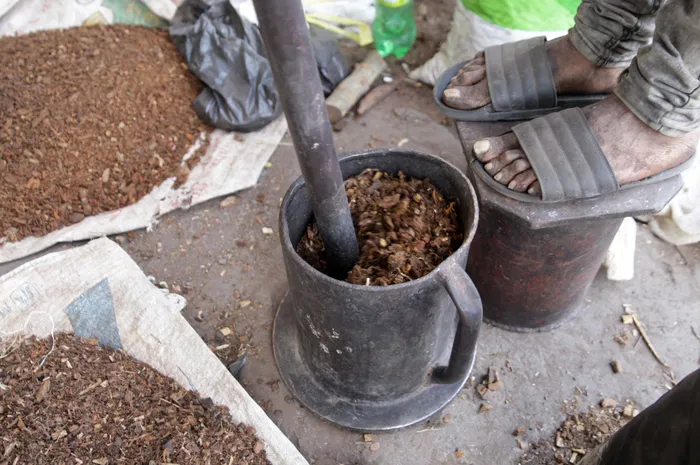
A chemical compound derived from the African pepperbark tree is under development at the University of Johannesburg (UJ) as a potential complementary treatment for diabetes. Researchers at UJ are working to harness the properties of this compound, aiming to provide new therapeutic options for managing the condition. This scientific endeavor comes as the tree, known botanically as Warburgia salutaris, faces significant threats in its natural habitat. The species is highly vulnerable to poaching across Southern Africa, raising concerns about the long-term availability of the natural resource key for this research. The dual focus on medical innovation and conservation notes the complex challenges associated with utilizing biodiversity for pharmacological advancements while protecting endangered species. The development effort at UJ shows the potential benefits locked within indigenous flora, alongside the urgent need for sustainable harvesting practices and protective measures for vulnerable plant populations.
Unlocking Medicinal Properties
The leaves, roots, and bark of Warburgia salutaris contain several active chemical compounds. Professor Mthokozisi Simelane and his team at the University of Johannesburg (UJ) isolated one such compound, iso-mukaadial acetate, from the tree's bark. This isolation was a key step in understanding the specific therapeutic potential of the plant. Traditionally, the bark of Warburgia salutaris has been used across Southern Africa, from South Africa to Malawi, to treat a range of ailments including colds, blocked sinuses, coughs, and malaria. The tree is recognized by numerous local names, such as amazwecehlabayo, isibhaha, manaka, molaka, mulanga, shibaha, muranga, and pepperbark, reflecting its widespread recognition and traditional significance across diverse communities.
A subsequent study conducted by Simelane involved using iso-mukaadial acetate to treat rats with induced diabetes. The research indicated that some blood cell issues associated with diabetes improved, and the compound also contributed to better blood sugar control and insulin levels at lower doses. These findings suggest a promising avenue for complementary diabetes management. Professor Simelane emphasized the dual focus of their work, stating, "We are exploring the plant's many medicinal properties in collaboration with experts in complementary medicine." He added, "Our primary goal is to ensure the continued existence of this plant for future generations, while also harnessing its potential for the advancement of complementary medicine." This commitment notes the ethical considerations embedded in bioprospecting and pharmaceutical development. Simelane also noted the complex relationship between diabetes and weight, explaining, "Diabetes can cause either weight loss or weight gain, depending on blood sugar control and treatment." He elaborated that at diagnosis, some patients may experience weight loss due to insufficient insulin, while improved blood sugar control or insulin therapy might lead to weight gain.
Conservation Challenges and Efforts
The Warburgia salutaris tree faces significant environmental pressures. Urbanization and commercial poaching have contributed to the destruction of mature Warburgia salutaris trees, posing a severe threat to their populations in the wild. The species was at one point listed as Endangered by the International Union for Conservation of Nature (IUCN), reflecting the critical state of its conservation status. However, conservation and cultivation initiatives have aided the tree's recovery, leading to its current classification as Vulnerable. These efforts demonstrate the positive impact of dedicated conservation strategies. Despite these challenges, Warburgia salutaris continues to grow naturally in rural KwaZulu-Natal, a region where its traditional uses are still prevalent. The ongoing presence of wild populations in this area shows the importance of protecting these natural habitats.
Development and Future Prospects
Professor Mthokozisi Simelane and his team are actively working on developing iso-mukaadial acetate as a complementary diabetes medicine in South Africa. This development process involves rigorous testing and refinement to ensure both efficacy and safety. The research group has established a licensing partnership with a pharmaceutical company, with negotiations currently underway to finalize the licensing terms for the compound. This collaboration is a critical step towards translating their scientific findings into a commercially available treatment option, bringing the potential benefits of iso-mukaadial acetate to patients.
A commercial grower in South Africa is supplying Warburgia plants to Professor Simelane’s team under a bioprospecting permit, ensuring a sustainable source for their ongoing research and development. This partnership is vital for maintaining the supply of raw material without further endangering wild populations. Professor Simelane explained the complex relationship between diabetes and body weight, stating, "Diabetes can cause either weight loss or weight gain, depending on blood sugar control and treatment." He elaborated, "At diagnosis, some patients may experience weight loss due to insufficient insulin. When insulin is lacking or not working effectively, glucose cannot enter cells properly, so the body compensates by breaking down fat and muscle for energy, leading to weight loss. In contrast, improved blood sugar control or the use of insulin therapy may sometimes lead to weight gain as the body is able to utilise glucose more effectively and reduce energy loss through urine." This detailed explanation provides valuable insight into the physiological effects of diabetes and its treatment, further contextualizing the potential role of iso-mukaadial acetate in managing the condition.