Isabelle*, a migrant woman from the Democratic Republic of Congo, sought safety in 2006, eventually finding refuge in Cape Town, South Africa. Her journey, like that of countless others, began with the hope of a better life, away from conflict and instability. She left the Democratic Republic of Congo in search of safety and eventually found refuge in Cape Town. Her experience notes the profound challenges faced by many African migrants in the region, often contrasting sharply with the aspirations of pan-African unity. This arrival coincides with the broader context of Pan-African ideals, which celebrate solidarity, self-determination, and mutual recognition, stemming from the founding of the Organisation of African Unity. These ideals, however, often stand in stark opposition to the lived realities of migrant women seeking sanctuary and a stable future within the continent.
Echoes of Violence and Exclusion
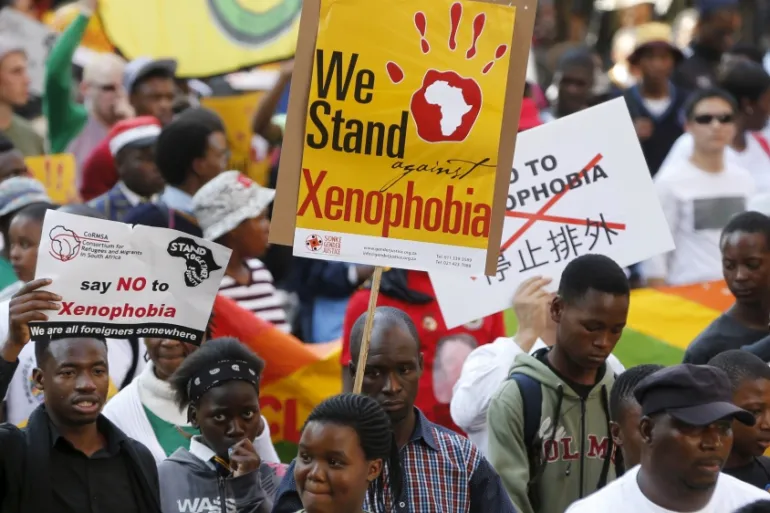
Two years after her arrival, Isabelle experienced the devastating 2008 xenophobic attacks in South Africa. She was caught in the violence while returning from a clinic with her baby, a moment that encapsulated the sudden and brutal shift from hope to fear. During these attacks, women who lived through them reported experiencing assault and sexual violence, adding a horrific layer to the general xenophobic unrest. Patricia, for instance, who was heavily pregnant and in severe pain, encountered shocking hostility when she sought medical help. A clinic turned her away, and she was subjected to a derogatory term, a dehumanizing experience that denied her basic human dignity and urgent medical care.
The experiences of women like Isabelle and Patricia during the 2008 attacks illustrate the heightened vulnerability faced by African migrant women. These incidents were part of broader xenophobic violence that impacted migrant communities across South Africa, leaving lasting psychological and physical scars. The rejection and abuse experienced by pregnant women at healthcare facilities, as recounted by Patricia*, show specific challenges faced by migrant women seeking essential services, often at their most vulnerable. The trauma of such events lingers, shaping their interactions with public services and their sense of belonging in their adopted country.
Bureaucratic Hurdles and Systemic Neglect
Beyond overt violence, migrant women in South Africa have reported being subjected to widespread derogatory terms such as makwerekwere, and told to "go back home." This verbal abuse is often coupled with active refusal of service in various public and commercial settings, including clinics, taxis, and shops, effectively marginalizing them from daily life. One woman described how, at a hospital, nurses declined to communicate in English, effectively excluding her from receiving necessary care at a critical time. This linguistic barrier, whether intentional or not, denied her essential information and comfort. Even more distressingly, following childbirth, a Home Affairs official entered her ward and loudly stated that she lacked the correct documentation and would be arrested, even as her newborn remained in the nursery. This public humiliation and threat of arrest, immediately after a profoundly personal and vulnerable moment, notes the systemic neglect and punitive approach often taken towards migrant women.
The constant fear of detention and deportation due to documentation issues creates an environment of perpetual anxiety. This makes it incredibly difficult for these women to integrate, access vital support, or plan for their families' futures. The lack of proper documentation also acts as a barrier to employment, education, and social services, trapping many in a cycle of precariousness and exploitation.
Africa Day Reflections and Resilience
Africa Day, recognized annually on May 25, offers a key moment to consider the ongoing challenges confronting migrant women in South Africa. It marks the founding of the Organisation of African Unity and celebrates Pan-African ideals of solidarity, self-determination, and mutual recognition. However, for many migrant women, these ideals remain a distant reality. These women frequently encounter significant bureaucratic hurdles, often waiting years for essential documentation. Many have experienced delays, sometimes exceeding a decade, for permits, renewals, or even decisions on appeals. This prolonged uncertainty affects their ability to work legally, access services, establish stable lives within the country, and ultimately, to thrive. The administrative limbo in which they exist undermines their human rights and contradicts the very spirit of African unity. Despite these immense obstacles, the resilience of these women in seeking safety, building lives, and advocating for their rights remains a testament to their unwavering spirit.