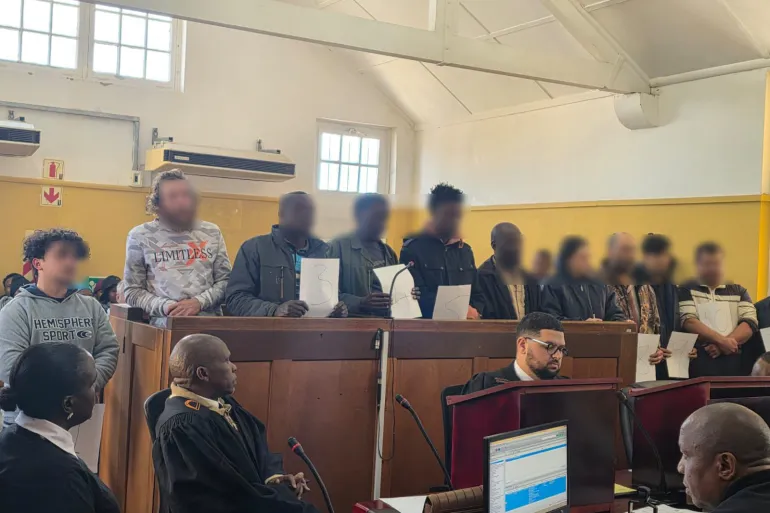
A group of 150 Malawian nationals who had sought refuge in temporary camps in Mossel Bay are scheduled to arrive in Malawi on Monday after being repatriated from South Africa. Their return follows a period of violence targeting foreign nationals in South Africa's Western Cape Province. The Malawians were among those affected by the unrest, prompting their relocation to the temporary camps before their organized repatriation. This significant movement of people shows the growing humanitarian concerns stemming from escalating anti-migrant sentiment in the region.
Escalating Xenophobia and Violence
Reports emerged just over a week ago of door-to-door intimidation tactics being employed in South Africa's Western Cape Province. These actions coincided with a surge in anti-migrant sentiment across the region, creating a climate of fear and insecurity for many foreign nationals. The intimidation tactics, which have been widely reported, have contributed to a volatile environment. Two Mozambican individuals subsequently died in Mossel Bay, a town within the Western Cape, amidst the escalating tensions. These tragic incidents have fueled profound concerns among foreign national communities and international observers regarding the safety and well-being of migrants in South Africa. The violence has prompted calls for greater protection and intervention from authorities.
Anti-migrant groups in South Africa have become increasingly vocal in their demands for undocumented migrants to leave the country. These groups have publicly set a deadline of June 30 for all such individuals to depart, intensifying pressure on foreign nationals and government authorities. The stipulated deadline has contributed to an atmosphere of fear and uncertainty among migrant populations, prompting some to seek repatriation or refuge in temporary shelters. This ultimatum from anti-migrant groups has been a significant factor in the decisions of many foreign nationals to return to their home countries, noting the severe pressure they face.
Regional Repatriation Efforts
Ghana, Nigeria, and Zimbabwe have also organized repatriation flights and transport for their citizens, expressing concerns about the surge in xenophobia in South Africa. These coordinated efforts by various African nations demonstrate the widespread impact of the situation. A group of 74 Zimbabweans arrived back in their home country on Sunday, having been driven from Mossel Bay following the unrest. Their return notes the direct consequences of the violence and intimidation faced by foreign nationals.
Ghana initiated a significant repatriation effort at the end of last month, organizing a flight from Johannesburg for nearly 300 of its citizens. This initial flight showed the urgency with which Ghana viewed the situation. This was followed by a larger group of approximately 680 more Ghanaian nationals, who arrived in Ghana's capital, Accra, over the weekend. These extensive efforts show a broader regional response to the situation and the commitment of these governments to ensure the safety of their citizens abroad. The scale of these repatriations reflects the severity of the conditions experienced by foreign nationals in South Africa.
Nigeria has likewise planned to evacuate its citizens, recognizing the urgent need for their safe return. Its first planned evacuation flight, intended for 270 Nigerian nationals, was originally scheduled for Monday. However, Nigerian authorities have postponed this flight, rescheduling it to depart on Wednesday. The postponement affects a substantial number of Nigerian citizens awaiting repatriation amidst the ongoing tensions, but preparations for their return continue. More than 500 Nigerian nationals have been screened and cleared for return from South Africa, indicating the large number of individuals seeking to leave. Nigeria's President Bola Tinubu has approved five evacuation flights in total for their repatriation, demonstrating a full plan to address the needs of his country's citizens.
Government Responses and Tensions
South African President Cyril Ramaphosa addressed the nation on Sunday, announcing new measures aimed at curbing illegal migration. In his address, President Ramaphosa stated that "there was 'no space for xenophobia, racism, sexism, Afrophobia or any other forms of intolerance' in the country," emphasizing the government's stance against discrimination and violence. These new measures are intended to address both the concerns about undocumented migrants and the broader issue of social cohesion within South Africa.
The South African government has also engaged with other nations regarding the situation, leading to some diplomatic friction. South Africa's Foreign Minister Ronald Lamola accused his Ghanaian counterpart of disseminating misinformation about xenophobia in South Africa on Saturday, indicating a disagreement over the narrative surrounding the events. Meanwhile, Deputy Home Affairs Minister Njabulo Nzuza informed Radio 702 that South Africa is exploring the possibility of requesting financial contributions from receiving countries to help cover the costs associated with deportations. This proposal suggests a potential shift in how South Africa manages the logistical and financial burdens of repatriating foreign nationals, adding another dimension to the complex diplomatic and humanitarian situation.